Skip to content

Sales Professionalism

What An MBA Didn’t Teach You About Sales

The sales profession is challenging. You need to work hard at it to succeed. You need to learn from the best. You need to improve your skills continuously. If you think you can sell since you are a hit at parties and have a lot of friends, you may soon find that you are a failure as a salesperson. Blunt truth:

because the sales profession is so hard, you have to focus on doing everything in sales very well, or you will be considered a failure.

I call this blog, Skinned Knees because I try to relate all of the learning that I have done over the past 4+ decades (while skinning my knees in the learning process).

I hope that you learn from my mistakes so that your business will grow!


Fractional Executives Are Better Than Consultants For Driving Valuable Changes in Small Businesses

Change is inevitable, and small business owners must constantly adapt to stay ahead of their competition. While traditional consultants may offer valuable insights and recommendations, they often lack the hands-on commitment to implement these changes effectively. A consultant will write a report and presentation to advise management of required changes and then count on management to deploy the advice effectively. More than a report or playbook is usually needed to drive tangible results.

Enter the concept of a fractional executive. This innovative solution provides small businesses the strategic guidance and support they need to grow and evolve. In this blog post, we’ll explore the role of a fractional executive, discuss their benefits, and share tips for finding the right fit for your business.

A fractional executive is a seasoned professional who offers expertise and leadership on a part-time or project basis. These individuals often have extensive experience in their respective fields and can fill critical gaps in a company’s leadership team. From acting as a temporary CEO to guiding sales or financial strategies, fractional executives provide services tailored to your business’s unique needs.

The critical difference between a fractional executive and a traditional consultant lies in their level of commitment. While consultants often deliver a one-time report or set of recommendations, fractional executives are actively involved in the day-to-day operations of your business. They work closely with your team to implement changes, monitor progress, and adjust strategies as needed, ensuring that your business thrives in the long term.

Consultants can create beautiful reports using modern tools like Chat GPT. While a report generated by Chat GPT can provide valuable insights and recommendations for a business, it is crucial to recognize that such a report alone is insufficient to drive meaningful changes. To successfully implement and manage the recommended changes, businesses require a more hands-on and personalized approach that addresses their unique challenges and opportunities. A report can serve as an excellent starting point, but companies must invest in dedicated human expertise to ensure that the proposed changes are effectively integrated into their operations.

A Chat GPT report may be insufficient for driving change because it cannot fully account for the intricacies and nuances of each business. While AI-generated reports can be well-researched and informative, they may need a more profound understanding of company culture, team dynamics, and specific market conditions necessary to develop tailored strategies. On the other hand, a human expert can work closely with stakeholders, employees, and customers to gain a comprehensive understanding of the business’s unique needs and challenges, allowing them to develop and implement more effective change initiatives.

Additionally, change management requires ongoing support and guidance, which a Chat GPT report or an absentee consultant cannot provide. Implementing changes often involves overcoming obstacles, refining strategies, and addressing unforeseen issues that arise during the process. A human expert, such as a fractional executive, can provide the necessary support and adaptability to navigate these challenges and ensure the success of the change initiatives. By working closely with the business daily, they can monitor progress, identify areas for improvement, and make real-time adjustments to keep the change process on track.

Read the rest of the article…


The Art of Motivation: Designing Sales Compensation Plans That Drive Results

Designing an effective sales compensation plan is critical to any successful sales organization. A well-crafted plan motivates your sales team, drives revenue growth, and aligns the interests of both the company and the sales representatives. 

It’s essential to understand the impact of compensation on salespeople. Sales reps are highly motivated by money, and their income is directly tied to their performance. Incentives such as bonuses, commissions, and accelerators can all play a key role in driving sales performance. However, these incentives can have unintended consequences if not implemented correctly.

This blog post will explore various aspects of creating a successful sales compensation plan, including setting quotas, selecting base and variable pay, using accelerators, and employing rewards and contests. We’ll also discuss strategies for designing effective compensation plans for different types of sales roles and tips for continuously improving your compensation plan.

Read the rest of the article…

Unlocking Your Company’s Potential: The Power of a Strong Sales Organization in Driving Revenue Growth and Boosting Valuation

A strong sales organization is the cornerstone of any successful business. The sales team serves as the company’s lifeblood, driving revenue growth and ensuring long-term financial stability. When a company prepares for a merger, acquisition, or public offering, having a strong sales team can translate into a higher valuation. 

A strong sales organization is the backbone of a thriving business, as it directly impacts revenue generation. When a company’s sales team is well-organized, well-trained, and motivated, they become more effective in closing deals and fostering relationships with clients. This increased effectiveness leads to more sales, ultimately resulting in higher revenues and profits for the company.

By investing in a strong sales organization, businesses can capitalize on opportunities and achieve maximum value. The best sales organizations have a proven track record of success. These teams have established a consistent sales process, streamlined communication channels, and aligned with the company’s overall business goals.

A successful sales team is crucial for driving revenue growth. The following factors contribute to a sales organization’s ability to increase revenues and profits:

  1. A clear sales strategy
  2. A process-oriented approach
  3. High-quality sales training and coaching
Read the rest of the article…

Two Tall Guys Talking Sales – Communicate Your Value Proposition to Win More Deals with Kelly Crandall of Sales Xceleration and Next Level Strategies – E24

Kevin and Sean have a special guest for this episode! Kelly Crandall of Sales Xceleration and Next Level Strategies.  Kelly is a sales expert who works as an advisor to help mid to small-size businesses build a path to more sales. The topic of the conversation is “The Sales Skills Required to Communicate Your Value Proposition to Win More Deals.” Kelly discusses the importance of value proposition and its broader concept, focusing on why buyers… 

How Small Businesses Can Compete with Larger Competitors Using the Fragment Sales Strategy

Small businesses often find themselves at a disadvantage when competing with larger, well-established companies. However, they can still succeed. It requires them to think creatively and strategically and to develop unique approaches to win customers over. One approach small businesses can take is implementing the Fragment Sales Strategy. This approach is advantageous when small companies find themselves in David vs. Goliath-type sales campaigns, going up against larger competitors with more resources, references, and success stories.… 

Two Tall Guys Talking Sales – Sales Meetings Are for Educational Purposes – E23

In this episode of “Two Tall Guys Talking Sales,” Sean and Kevin provide insights on conducting effective sales meetings focusing on education and training. They suggest assigning individual salespeople to research topics or chapters of a book to teach the team, ensuring everyone becomes an authority on the topic. The hosts stress the importance of repetition and testing knowledge by applying it to specific accounts or situations. They also highlight the need for clear goals… 

Sales Coaching: A Key Tool for Achieving Business Growth in B2B Sales

Sales coaching has become integral to the modern business environment, particularly in business-to-business (B2B) sales. The sales coaching process enhances salespeople’s skills, knowledge, and capabilities to achieve their goals, deliver value to customers, and improve organizational performance. In this article, we will examine the importance of sales coaching in B2B sales organizations, explore the best practices for effective coaching, and discuss the key benefits that result from a well-executed sales coaching program. Sales coaching has… 

Two Tall Guys Talking Sales Podcast – Focus on One or Two Key Topics in Your Weekly Sales Meeting – Episode 22

Your sales meeting should discuss the highest priority topics that require immediate attention. For broader issues, it is recommended to use other venues. To stay on point, it is important to control the agenda and flow of the meeting. Additionally, meeting minutes should be kept short and focused on action items to ensure that tasks are completed following the meeting. Discussing one or two topics deeply rather than many topics lightly is recommended to promote… 

20 Activities That a Virtual Assistant Can Perform To Help a Sales Leader Be More Effective

A Vice President of Sales plays a critical role in the success of a business by overseeing and leading the sales team to achieve revenue targets. To be effective in their position, the VP of Sales must be able to focus on strategic decision-making and high-level planning while delegating operational tasks to a capable team. One way to facilitate this delegation is through a virtual assistant, who can perform various functions that support the VP of Sales and the sales team. Here are some ways a virtual assistant can add value to the role of VP of Sales.

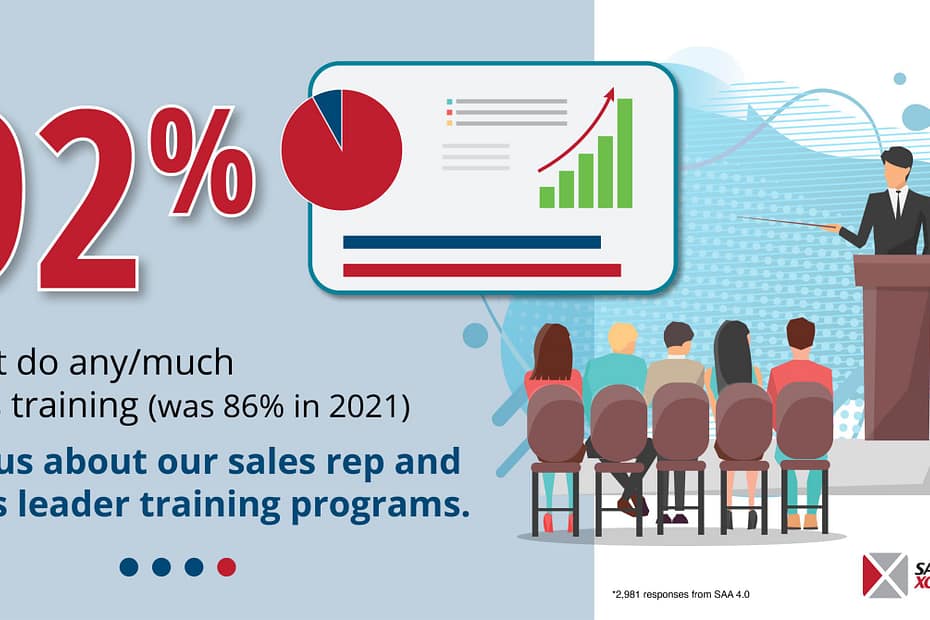
92% of Small Companies Don’t Do Much Sales Training

The benefits of sales training for your employees are numerous. By providing training on best practices in B2B sales, you’re investing in the skills and knowledge of your sales team. This can translate into increased sales, higher revenue, and a more robust bottom line. Additionally, a well-trained sales team can improve customer relationships, build trust with prospects, and increase customer loyalty.