
Skip to content

Uncategorized

What An MBA Didn’t Teach You About Sales

The sales profession is challenging. You need to work hard at it to succeed. You need to learn from the best. You need to improve your skills continuously. If you think you can sell since you are a hit at parties and have a lot of friends, you may soon find that you are a failure as a salesperson. Blunt truth:

because the sales profession is so hard, you have to focus on doing everything in sales very well, or you will be considered a failure.

I call this blog, Skinned Knees because I try to relate all of the learning that I have done over the past 4+ decades (while skinning my knees in the learning process).

I hope that you learn from my mistakes so that your business will grow!


Revenue Forecasting Should Be Built on Evidence, Not Hope

Most sales forecasts are not really forecasts. They are seller opinions, manager adjustments, CRM fields, historical averages, and optimism packaged into a number that leadership is expected to trust.

That may have been acceptable when forecasting was mostly an internal sales exercise. It is not acceptable when the board, finance, hiring plans, customer success capacity, and investor expectations are all tied to the revenue number.

The core problem is not that sales leaders are careless. The problem is that many revenue teams are still using an architecture that cannot produce predictability. Spreadsheets, commit calls, and stage rollups organize information, but they do not necessarily reveal the buyer’s truth.

The better question is not, “How confident is the rep?”

The better question is, “What did the buyer actually do?”

That shift changes the entire operating model. Forecasting moves from hope-based to evidence-based. Deals are no longer judged by the confidence in a seller’s voice but by observable buyer behavior: recent engagement, executive involvement, mutual action plans, legal or procurement movement, real next steps, and date-driven urgency.

This is where artificial intelligence and revenue intelligence become useful, but only if the management system is ready for them. AI can identify patterns, detect risk, surface stalled deals, and compare buyer behavior against historical outcomes. But it cannot compensate for weak sales processes, vague stage definitions, poor CRM hygiene, or managers who refuse to inspect the evidence.

Read the rest of the article…
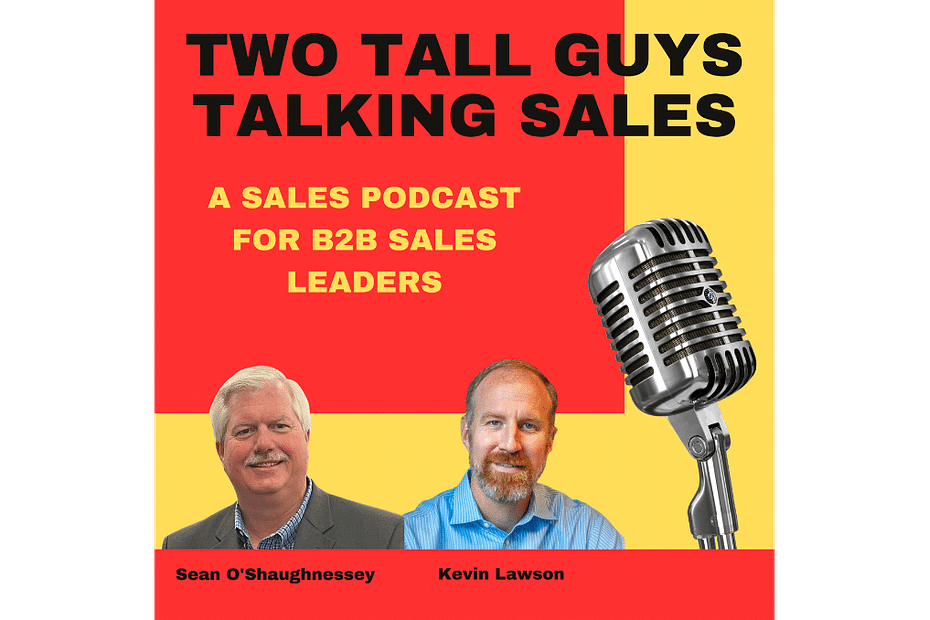

Two Tall Guys Talking Sales – Uniting Sales and Marketing: A Masterclass with Chris Spanier – E76

This episode of “Two Tall Guys Talking Sales” is a must-listen for anyone involved in the intricate dance between sales and marketing. Chris Spanier sheds light on the significance of unity and collaboration for achieving common business goals. Through a blend of personal anecdotes and actionable advice, Chris, Kevin, and Sean explore how storytelling, shared objectives, and regular feedback can transform the relationship between sales and marketing into a dynamic partnership. Whether you’re a sales manager, marketing director, or CEO, this conversation offers valuable insights on aligning your teams for success.

Tune in to discover how you can leverage the combined strengths of your sales and marketing teams to drive growth and create meaningful customer relationships. Download this episode now and start building a more cohesive, effective approach to your business strategy.

Skinned Knees – What An MBA Didn’t Teach You About Sales

The sales profession is challenging. You need to work hard at it to succeed. You need to learn from the best. You need to improve your skills continuously. If you think you can sell since you are a hit at parties and have a lot of friends, you may soon find that you are a failure as a salesperson. Blunt truth: 

because the sales profession is so hard, you have to focus on doing everything in sales very well, or you will be considered a failure.

Read the rest of the article…