Skip to content

territory

What An MBA Didn’t Teach You About Sales

The sales profession is challenging. You need to work hard at it to succeed. You need to learn from the best. You need to improve your skills continuously. If you think you can sell since you are a hit at parties and have a lot of friends, you may soon find that you are a failure as a salesperson. Blunt truth:

because the sales profession is so hard, you have to focus on doing everything in sales very well, or you will be considered a failure.

I call this blog, Skinned Knees because I try to relate all of the learning that I have done over the past 4+ decades (while skinning my knees in the learning process).

I hope that you learn from my mistakes so that your business will grow!


Transforming Quota-Setting: Strategies for Sales Leaders to Optimize Performance and Revenue

Quota-setting is one of the most misunderstood elements of sales leadership. Too often, it’s treated as a spreadsheet exercise or a top-down directive, rather than a strategic lever that drives behavior, performance, and growth.

Whether you’re leading a team of 20 or you’re the founder managing three reps, how you define quotas has a direct impact on your revenue trajectory and your team’s motivation.

So, where do you start?

With timing. If you’re not delivering quotas to your team until February or March, you’re already behind. Salespeople need clarity by December. That gives them runway to plan, prioritize, and hit the ground running in January. Delayed quotas create confusion and stall momentum. To achieve a strong Q1, you need to equip your team early.

Quota-setting varies depending on the size of your company. Larger teams offer more flexibility. With 10 or more reps, you can spread risk, balance performance, and model averages. You’ll have top performers who consistently overdeliver, alongside newer reps who are still ramping up. The law of averages works in your favor. You can afford some variance. Smaller teams don’t have that luxury.

When you’re running a small team, maybe two or three reps or founder-led sales, every individual matters. One person missing quota can tank your number.

You can’t rely on averages. You need precision.

That means tying quotas to actual relationships, known opportunities, and real probability. It’s not about slicing up a target evenly. It’s about assigning numbers based on what’s realistically achievable in each territory or account list.

Territory design plays a big role here. Whether it’s geographic, vertical, or named accounts, quota must reflect the market potential. You can’t expect equal performance from unequal opportunity. If Rep A has 500 viable accounts and Rep B has 50, their quotas shouldn’t look the same unless you have data that says Rep B’s accounts are closer to your Ideal Client Profile. Use available market data to inform the number. Don’t assign quotas in a vacuum. 

In larger organizations, quotas often originate from the top down, typically from finance. The CEO and CFO commit a growth number to the board, investors, or in public filings to the SEC. They have no choice but to pass it down. It’s not uncommon for the sales team to receive the number without context. That’s a problem. If you’re in a leadership role, you need to pressure test that number. Can your team realistically hit it? If not, what additional resources are required?

  • More headcount?
  • Better enablement?
  • Marketing support?

In large organizations where the quota is driven by investor expectations, the VP of Sales must establish an organization well before the new year that achieves this year’s goal, while also meeting the expectation of growth for the next year. Planning ahead, sometimes years in advance, is part of the job.

Read the rest of the article…

Two Tall Guys Talking Sales – Know Your Numbers: A Sales Leader’s Guide to Growth Metrics – E132

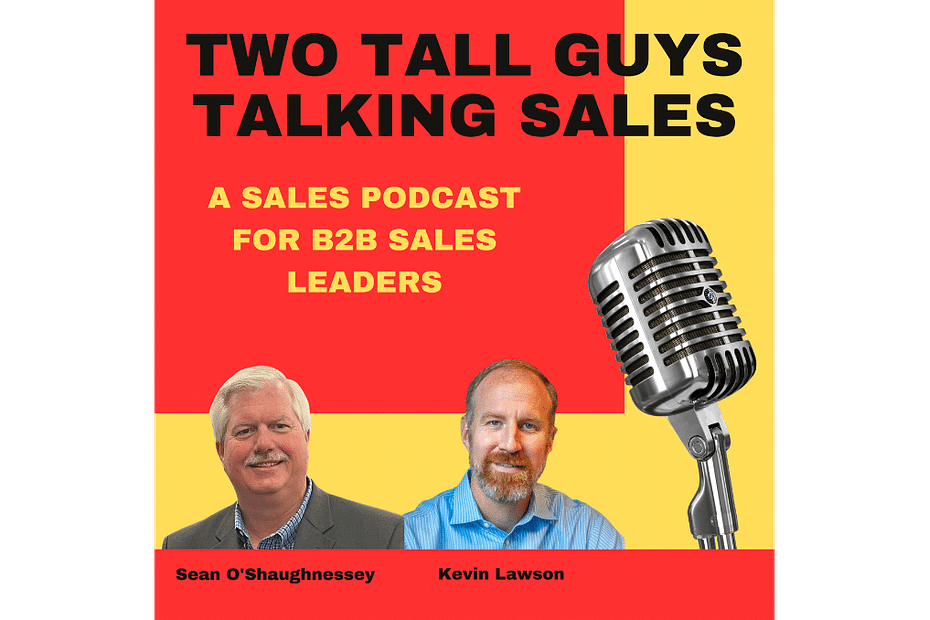
As Q2 kicks into full gear, it’s time to pause and reflect—are you ahead, on pace, or falling behind on your sales targets? In this insightful episode of Two Tall Guys Talking Sales, hosts Kevin Lawson and Sean O’Shaughnessey unpack one of a sales leader’s most crucial yet often overlooked responsibilities: knowing your numbers. With equal parts practical advice and strategic vision, this conversation walks you through the foundational metrics every sales leader should track—customer… 

Building Winning Sales Teams for the Future: Insights for CEOs and Sales Leaders

What are the key moves that CEOs and sales leaders must make to prepare their teams for success in 2025? That’s exactly what we explored in a recent episode of the Art and Science of Complex Sales podcast hosted by Paul Fuller of Membrain. I had the pleasure of joining Kevin Lawson, President of Lighthouse Sales Advisors, for a deep dive into the strategies defining high-performing sales organizations in the year ahead. You may recognize… 

Two Tall Guys Talking Sales – Sales Slumps & Hot Streaks: How to Build a Predictable Pipeline – E122

Sales is a game of ups and downs, but what separates top performers from the rest is their ability to keep the funnel full—even when they’re closing deals. In this episode of Two Tall Guys Talking Sales, Kevin Lawson and Sean O’Shaughnessey dive into the art and science of building a consistent pipeline. They discuss strategic approaches to prospecting, leveraging data tools, and the importance of curiosity in sales conversations. Whether you’re starting fresh in… 

Unlocking Sales Success: The Power of KPIs in Sales Processes

Are your sales KPIs helping your team succeed? Many sales leaders focus solely on closed deals. This narrow view misses crucial elements of sustainable sales growth.

The journey matters more than the destination. Sales excellence follows a similar path. Your team’s daily actions and behaviors create the foundation for lasting success.

Effective sales measurement requires a comprehensive view of your team’s activities. Top performers consistently execute vital behaviors that drive results. They prospect strategically, nurture relationships, and expand their presence within existing accounts. These leading indicators paint a clearer picture of future performance than lagging metrics alone.

Your KPI framework must evolve beyond historical analysis. Forward-looking metrics help you spot opportunities and challenges before they impact revenue. What’s happening in your pipeline right now? How are your teams finding new prospects? Which accounts show growth potential?

Experience levels significantly impact appropriate performance measures. New salespeople face different challenges than seasoned veterans. A rookie might need help with fundamental sales behaviors while learning your company’s approach. They need clear operational guidance and structured metrics that reinforce proper execution.

Veteran salespeople bring established skills and proven track records. Their KPIs should emphasize continuous improvement and cultural alignment. How are they advancing their capabilities? What value do they add to the broader sales organization?

Read the rest of the article…

Optimizing Sales Territories for Growth and Efficiency

Territory design is critical for ensuring efficient revenue generation and optimal team performance. Sales leaders, especially those at the helm of small—to mid-sized companies, must revisit and potentially recalibrate their territory strategies to accommodate growth and maintain competitiveness. Effective territory management starts with a clear understanding of the business landscape. Ensuring that each salesperson has a viable area with ample opportunity is crucial. This may sound straightforward but involves a delicate balance of geographic and… 

The Art of Sales Compensation: Balancing Motivation and Goals

Few topics in sales stir as much discussion and attention as compensation plans. The proper compensation structure can ignite a team’s performance, attract top talent, and drive a company toward its strategic goals. Conversely, a poorly conceived plan can lead to demotivation, high turnover, and missed targets. This discussion delves into the intricacies of designing compensation plans that motivate and align with a company’s broader objectives, offering insights for salespeople, sales managers, and CEOs alike.… 

Beyond Numbers: The Leadership Behind Effective Quota Management

In B2B sales, mastering the art of quota setting and management is a critical factor driving sales teams’ success across various industries. Whether you’re navigating the complexities of software sales, the intricacies of service offerings, or the demands of manufacturing and distribution, the ability to set realistic yet challenging quotas can significantly impact your team’s performance and, ultimately, your company’s bottom line. This article delves into the essential aspects of quota management, offering valuable insights… 

Two Tall Guys Talking Sales – Expanding Your Sales Horizon: Conquering New Territories in Consumable Sales – E71

In this episode, Kevin and Sean provide a comprehensive guide on effectively breaking into new territories, especially in industries where products are consumed regularly. They emphasize the importance of being more than just a salesperson; being a trusted advisor and an integral part of the customer’s business. The discussion covers strategies for differentiating in a competitive market, leveraging non-traditional client profiles, and building sustainable customer relationships. This episode is a must-listen for sales professionals looking to expand their reach and deepen their impact in new territories. Join us next week for more insights on “Two Tall Guys Talking Sales.”