Skip to content

B2B sales

What An MBA Didn’t Teach You About Sales

The sales profession is challenging. You need to work hard at it to succeed. You need to learn from the best. You need to improve your skills continuously. If you think you can sell since you are a hit at parties and have a lot of friends, you may soon find that you are a failure as a salesperson. Blunt truth:

because the sales profession is so hard, you have to focus on doing everything in sales very well, or you will be considered a failure.

I call this blog, Skinned Knees because I try to relate all of the learning that I have done over the past 4+ decades (while skinning my knees in the learning process).

I hope that you learn from my mistakes so that your business will grow!


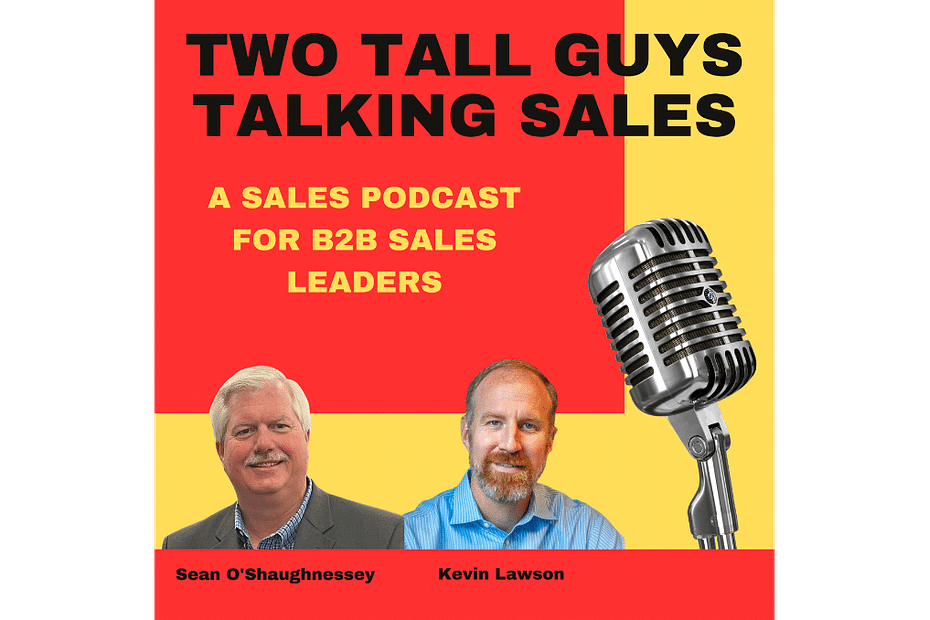
Two Tall Guys Talking Sales Podcast – Sales Strategy Deep Dive: How to Align Offers with Client Expectations – E102

Join hosts Kevin Lawson and Sean O’Shaughnessey in a dynamic episode of “Two Tall Guys Talking Sales,” where they dive deep into the essential elements of crafting an effective sales strategy. Whether you’re a sales newbie or a seasoned pro, this episode promises insights into refining your approach to acquiring new clients and boosting your sales performance. Key Topics Discussed: Key Quotes: Additional Resources: A Significant Actionable Item from this Podcast: Reflect on Your Client… Two Tall Guys Talking Sales Podcast – Sales Strategy Deep Dive: How to Align Offers with Client Expectations – E102

Overcoming Ghosting and Other Modern Sales Challenges: A Proactive Approach

Many salespeople, sales managers, and company CEOs grapple with the unique problem of adapting their sales strategies to ever-changing market dynamics. This problem stems from an old-fashioned practice in which sales leaders tend to offer the same advice that made them successful when they were nascent salespeople. However, to remain competitive and productive, realizing that this traditional advice may no longer hold relevance in today’s sales world is crucial.

Let’s consider a sales leader who made his mark when the internet was still in its infancy, and email and mobile phones were not part of the sales process. If this sales leader continues to advise their team based on those past experiences, they will likely be setting them up for failure. Today, the sales world is no longer about physical gatekeepers but about navigating spam filters and phone blockers. The sales environment has evolved, and it’s time sales strategies do, too.

A typical issue salespeople face today is being ‘ghosted’ by potential clients. Ghosting, a relatively modern term, refers to the situation where the person you’re trying to reach is not returning your calls or emails. It’s a frustrating experience, but it also indicates a salesperson’s failure to be proactive and do the right things earlier in the sales cycle. Modern salespeople need to think ahead, plan better, and ensure they set up the next meeting before leaving the current one. This proactive approach can help prevent ghosting, keep the sales conversation going, and indicate progress.

Read the rest of the article…
Designing Sales Compensation Plans That Drive Performance

The success of any sales-driven organization in the business-to-business (B2B) space hinges on the sales team’s compensation plan. Over my four decades in B2B sales, I’ve observed that nothing influences the performance of sales personnel more directly than the design and implementation of their compensation plans. Compensation is not merely about rewarding sales achievements but crafting a strategy aligning individual salespeople’s goals with the company’s broader objectives.

A well-structured compensation plan acts as both a motivator and a guide. It compels sales teams not only to meet but exceed their targets, fostering an environment where continuous improvement is not just encouraged but becomes a natural byproduct of the system. For small business CEOs, understanding this dynamic is critical for sustaining and driving growth. Sales compensation is more than just a cost; it’s an investment in the company’s future.

In any sales environment, whether the market is brimming with potential or tightly contested, the compensation plan must be a living document that evolves in response to market conditions, company goals, and team performance. With this adaptability, companies can avoid stagnation or regression in their market positions. As businesses strive to scale and adapt, constructing a compensation plan that genuinely drives the right behaviors becomes all the more pertinent.

To delve deeper into this vital subject, CEOs should consider the immediate impacts of their compensation strategies and their long-term implications on sales culture and employee retention. For those ready to explore the intricacies of effective sales compensation and ensure their strategies are well-suited to their specific business contexts, I am here to lend my expertise. With extensive experience tailoring compensation plans to enhance sales productivity and company profitability, I invite you to reach out for further guidance on crafting a plan that meets and exceeds your strategic goals. You can set a time to talk to me using my link above Book Appointment With Sean.

Read the rest of the article…

Using Value Propositions to Stand Out in a Competitive Market

Understanding and effectively communicating your value proposition is crucial for success in B2B sales. It can be the difference between winning and losing a deal. Whether you’re a salesperson, a sales manager, or the CEO of a small company, this topic is extremely relevant.

A value proposition is not merely a catchy slogan or a well-crafted elevator pitch. It is a broader collection of reasons why a potential buyer should choose your product or service. A value proposition identifies the customer’s needs and goals and demonstrates how your product or service can address these.

One key aspect of a value proposition is its ability to resonate with the customer. This involves deeply understanding the customer’s needs and tailoring your proposition to their specific situation. This allows the sales team to find the match between the customer’s needs and your offer. To resonate effectively, you need to answer two key questions for the customer: Why act? And why now?

The ‘why act’ question establishes the need for your product or service. If the customer doesn’t see a need, they won’t be interested, no matter how great your offering is. The ‘why now’ question creates a sense of urgency. Without this, a customer may acknowledge the need for your product or service but see no reason to act immediately.

Read the rest of the article…

The Dashboard Difference: Transforming B2B Sales with Data-Driven Insights

A sales dashboard in business-to-business sales is pivotal for guiding sales teams toward success. This methodical approach to tracking and interpreting data illuminates the path to revenue scaling and fosters a culture of achievement and recognition within an organization. At its core, a sales dashboard transforms raw data into actionable insights. For salespeople, sales managers, and CEOs of small companies, understanding the nuances of the dashboard can be the difference between stagnation and growth. The… The Dashboard Difference: Transforming B2B Sales with Data-Driven Insights

The Key to Extraordinary Sales: Developing a Compelling Unique Selling Proposition

In B2B sales, professionals grapple with many challenges that can make or break their success. Clearly articulating a unique selling proposition (USP) stands out as a cornerstone for distinguishing oneself from the competition. This capability is not just a nicety—it’s a necessity. As businesses strive to carve out their niche in crowded markets, understanding and communicating what makes them distinct becomes paramount. The concept of a USP or value proposition is often used interchangeably, yet… The Key to Extraordinary Sales: Developing a Compelling Unique Selling Proposition

Maximizing Sales Performance: The Critical Importance of Compensation Planning

In B2B sales organizations, ensuring a robust sales force capable of adapting to market fluctuations and corporate objectives is paramount. Among the myriad factors contributing to sales teams’ success, two elements emerge as particularly crucial: the design and timely dissemination of compensation plans. At the heart of a well-oiled sales organization lies the principle of trust, a currency of immense value in building a healthy sales culture. Transparency and punctuality in rolling out compensation plans… Maximizing Sales Performance: The Critical Importance of Compensation Planning

The Art of Sales Compensation: Balancing Motivation and Goals

Few topics in sales stir as much discussion and attention as compensation plans. The proper compensation structure can ignite a team’s performance, attract top talent, and drive a company toward its strategic goals. Conversely, a poorly conceived plan can lead to demotivation, high turnover, and missed targets. This discussion delves into the intricacies of designing compensation plans that motivate and align with a company’s broader objectives, offering insights for salespeople, sales managers, and CEOs alike.… The Art of Sales Compensation: Balancing Motivation and Goals

Beyond Numbers: The Leadership Behind Effective Quota Management

In B2B sales, mastering the art of quota setting and management is a critical factor driving sales teams’ success across various industries. Whether you’re navigating the complexities of software sales, the intricacies of service offerings, or the demands of manufacturing and distribution, the ability to set realistic yet challenging quotas can significantly impact your team’s performance and, ultimately, your company’s bottom line. This article delves into the essential aspects of quota management, offering valuable insights… Beyond Numbers: The Leadership Behind Effective Quota Management