Skip to content

confidence

What An MBA Didn’t Teach You About Sales

The sales profession is challenging. You need to work hard at it to succeed. You need to learn from the best. You need to improve your skills continuously. If you think you can sell since you are a hit at parties and have a lot of friends, you may soon find that you are a failure as a salesperson. Blunt truth:

because the sales profession is so hard, you have to focus on doing everything in sales very well, or you will be considered a failure.

I call this blog, Skinned Knees because I try to relate all of the learning that I have done over the past 4+ decades (while skinning my knees in the learning process).

I hope that you learn from my mistakes so that your business will grow!


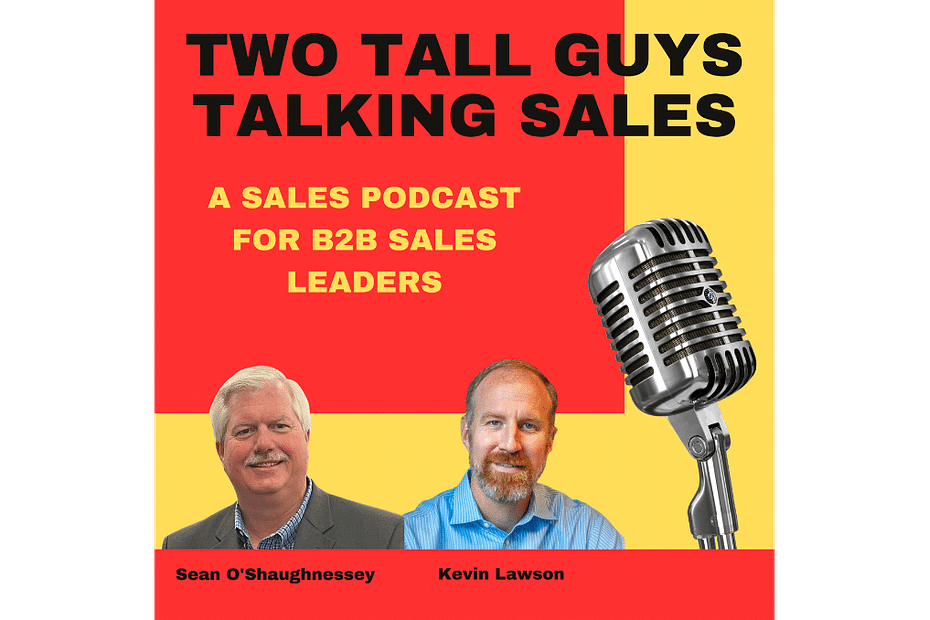
Two Tall Guys Talking Sales – No Leads, No Problem: Sales Strategies to Reignite Momentum – Episode 148

When your sales pipeline hits a wall—or worse, goes completely flat—it can feel like you’re spinning your wheels. In this episode of Two Tall Guys Talking Sales, hosts Kevin Lawson and Sean O’Shaughnessey dive deep into what to do when your sales team is facing a revenue generation stall. This is a fast-paced, actionable conversation focused entirely on what sales leaders can do to recharge a stalled pipeline—without relying on marketing. Whether you’re in B2B… Two Tall Guys Talking Sales – No Leads, No Problem: Sales Strategies to Reignite Momentum – Episode 148

AI in B2B Sales Isn’t Optional Anymore

Several months ago, I was serving as a fractional VP of Sales for a $50 million manufacturing company. Their top salesperson was a 15-year veteran who knew the industry inside and out. Yet he was consistently being outsold by a competitor’s much newer hire. At first, it didn’t make sense until we discovered the reason. The competitor’s rep wasn’t just more energetic or aggressive. They were AI-enabled. While my client’s rep was manually scrolling LinkedIn… AI in B2B Sales Isn’t Optional Anymore

Two Tall Guys Talking Sales – Mastering Sales Hiring with John Lee – Sales Management Insights for Growth-Focused Teams – Episode 138

In this week’s episode of Two Tall Guys Talking Sales, Kevin Lawson and Sean O’Shaughnessey are joined by the “Elder Statesman” of fractional sales management: John Lee. With nearly four decades of experience and a deep track record of helping companies hire top-performing sales professionals, John shares a masterclass in sales hiring strategy. Whether you’re scaling from a two-person team to ten or trying to avoid costly hiring mistakes, this episode delivers practical, field-tested advice… Two Tall Guys Talking Sales – Mastering Sales Hiring with John Lee – Sales Management Insights for Growth-Focused Teams – Episode 138

Validation Events: The Unsung Hero of Sales Process Discipline

In the complex world of B2B selling, trust is built in stages. The challenge in all sales campaigns is ensuring the prospect trusts they are making the best decision for their business.

  1. Do they trust that the salesperson is giving them all of the information?
  2. Do they trust that the company will support them after the sale?
  3. Do they trust that the product will perform as they expect it to perform?

As I have explained in my book, Eliminate Your Competition, as well as the blog for that book and in this blog, the prospect needs to trust all three elements the salesperson is selling:

  1. They need to trust the product.
  2. They need to trust the company behind the product.
  3. They need to trust the salesperson.

Prospects listen to your sales message, review your materials, and hear your claims, but none of that guarantees belief or trust. Trust is validated when your claims are validated. That’s why validation events are crucial to any rigorous sales process.

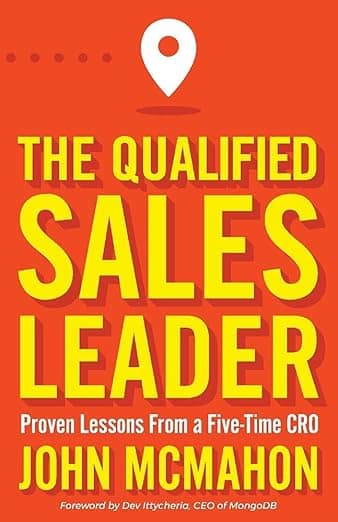
In The Qualified Sales Leader, John McMahon stresses the importance of customer-driven validation. He cautions sales leaders against relying on internal optimism or anecdotal “good signals” from prospects. Instead, McMahon emphasizes observable proof—real buyer behavior that confirms alignment, commitment, and value. Validation events are when the customer takes action to validate that what you’ve promised is accurate and valuable.

An excellent sample sale process flow looks like this:

  1. Discover
  2. Scoping
  3. Economic Buyer Meeting
  4. Validation Event
  5. Business Case and Final Proposal
  6. Negotiate and Close

As you can see, the Validation Event is the last step before creating the final business case, which will be bundled with your final proposal.

Read the rest of the article…

Two Tall Guys Talking Sales – Winning Without Discounting: Mastering Value Selling at Premium Prices – Episode 135

When it comes to holding firm on pricing, many salespeople stumble at the finish line, undermining their value and margin in pursuit of a quick win. In this episode of Two Tall Guys Talking Sales, Kevin Lawson and Sean O’Shaughnessey explore the essential topic of value selling, especially when offering a premium-priced solution. They break down how business acumen, sales strategy, and relationship-based selling contribute to sales success—and how to confidently command the price your… Two Tall Guys Talking Sales – Winning Without Discounting: Mastering Value Selling at Premium Prices – Episode 135

Two Tall Guys Talking Sales – Amy Connor discusses Salespeople vs. Lead Generation: Are You Using Your Team Wisely? – E125

How do you measure the success of your sales and marketing efforts? If you’ve ever wondered whether your marketing dollars are driving revenue or if your sales team is making the most of their leads, this episode is for you.  Kevin Lawson and Sean O’Shaughnessey sit down with Amy Connor, founder of CMO on Loan, to discuss how marketing and sales should work together for growth. Amy brings her extensive experience from Procter & Gamble,… Two Tall Guys Talking Sales – Amy Connor discusses Salespeople vs. Lead Generation: Are You Using Your Team Wisely? – E125

Selling Trust: The New Era of Salesmanship in the Digital Age

Have you ever wondered why some salespeople consistently outperform their peers? The answer might surprise you – it’s not about pushing products anymore. Let me share a story that perfectly illustrates this point.

Picture yourself at a car dealership with a problematic engine. The service manager listens briefly and suggests trying premium fuel first instead of pushing for expensive repairs. This unexpected advice reveals the essence of modern sales: building trust over making quick profits.

The digital revolution has transformed how we sell. Your prospects now have instant access to product information, specifications, and reviews. They’ve often completed 70% of their buying journey before contacting you. So, what’s your role in this new landscape?

You must evolve from an information provider to a value creator. Think about it – when did a customer last ask you for basic product details? They don’t need that anymore. They need someone who can help them navigate complex decisions and create innovative solutions.

Consider enterprise software sales. Your customers aren’t just buying features and functions. They’re investing in solutions to their business challenges. Can you help them visualize how your product transforms their operations? Do you understand their workflow well enough to spot opportunities they might have missed?

Trust becomes your most powerful differentiator in this environment. But how do you build it? Through actions, not words. When you genuinely prioritize customer success over immediate sales, people notice. They remember when you steered them away from unnecessary purchases or suggested more cost-effective solutions.

The modern sales process demands a deeper understanding of your customer’s business context. You’re not just matching products to needs – you’re helping define those needs. What problems keep your prospects awake at night? Which industry trends threaten their market position? How can your solution help them stay competitive?

Read the rest of the article…

Overcoming Ghosting and Other Modern Sales Challenges: A Proactive Approach

Many salespeople, sales managers, and company CEOs grapple with the unique problem of adapting their sales strategies to ever-changing market dynamics. This problem stems from an old-fashioned practice in which sales leaders tend to offer the same advice that made them successful when they were nascent salespeople. However, to remain competitive and productive, realizing that this traditional advice may no longer hold relevance in today’s sales world is crucial.

Let’s consider a sales leader who made his mark when the internet was still in its infancy, and email and mobile phones were not part of the sales process. If this sales leader continues to advise their team based on those past experiences, they will likely be setting them up for failure. Today, the sales world is no longer about physical gatekeepers but about navigating spam filters and phone blockers. The sales environment has evolved, and it’s time sales strategies do, too.

A typical issue salespeople face today is being ‘ghosted’ by potential clients. Ghosting, a relatively modern term, refers to the situation where the person you’re trying to reach is not returning your calls or emails. It’s a frustrating experience, but it also indicates a salesperson’s failure to be proactive and do the right things earlier in the sales cycle. Modern salespeople need to think ahead, plan better, and ensure they set up the next meeting before leaving the current one. This proactive approach can help prevent ghosting, keep the sales conversation going, and indicate progress.

Read the rest of the article…

Navigating Through Sales Slumps: A Strategic Approach for Sales Leaders

Like any other profession, sales is not immune to periods of underperformance or slumps. These periods can be particularly challenging when a top performer in your sales team is slumping. Addressing this issue effectively can significantly improve the productivity of your sales processes, ultimately leading to increased revenue for your company.

Various factors can trigger a sales slump, but it often implies a deviation from the sales process or strategy. Sales is a time-based process, not a transactional one. It involves selling to other businesses, which takes time. Therefore, as a sales leader or CEO, it’s crucial to identify when the sales trend starts to slide. This identification is not just about revenue; it requires a retrospective look at the early stages of a sale. If there aren’t enough leads or active relationships in your pipeline, you can foresee a slump and take proactive measures to change outcomes.

A common mistake is focusing on the revenue loss resulting from the effort expended. A more constructive approach is to evaluate the salesperson’s activities in the sales process. If they do the right things daily, they will quickly work out of the slump. The focus should be on maintaining an effective pipeline and executing all the necessary tasks, such as good scoping and discovery calls.

Read the rest of the article…

Driving Sales Success through Collaborative Learning and Knowledge Sharing

Aiming to increase revenue and boost productivity in sales processes, sales managers and company CEOs are constantly searching for effective strategies to streamline their operations and ensure optimal results. One such strategy involves conducting sales meetings for educational purposes. These meetings focus on enhancing knowledge and skills, and this is where the real game begins. 

Imagine a sales meeting where, instead of a mundane round-up of weekly activities, there’s an engaging discussion about a new book that can potentially revolutionize the sales process. Picture a team of four or five salespeople, including you, each reading two chapters of a book overnight. The next day, everyone shares the high-level takeaways from their assigned chapters. This practice allows the team to consume an entire book’s content in a day and empowers each member to become an authority on the subject matter because they’re teaching others. The exercise is educational, promotes team collaboration, and enhances communication skills. 

This approach can be extended beyond books to other areas, such as market research. For instance, if a company is looking to enter a new vertical, different aspects of the industry, like market influencers, challenges, and political, economic, and legal factors, can be assigned to team members for research. Each member returns their findings to the team, comprehensively understanding the new market. This practice is not merely busy work; it’s sales-driving work that benefits the entire team and accelerates learning about the new market.

Read the rest of the article…