Skip to content

curiosity

What An MBA Didn’t Teach You About Sales

The sales profession is challenging. You need to work hard at it to succeed. You need to learn from the best. You need to improve your skills continuously. If you think you can sell since you are a hit at parties and have a lot of friends, you may soon find that you are a failure as a salesperson. Blunt truth:

because the sales profession is so hard, you have to focus on doing everything in sales very well, or you will be considered a failure.

I call this blog, Skinned Knees because I try to relate all of the learning that I have done over the past 4+ decades (while skinning my knees in the learning process).

I hope that you learn from my mistakes so that your business will grow!


Stop Betting on Superstars: How Operating Standards Turn Sellers into Predictable Producers

Many teams grow, but few truly scale revenue beyond individual hero efforts. That difference changes everything for leaders today and in the future. Growth relies on hustle; scaling depends on repeatability across segments and individuals. Your strategy must reflect that hard truth in practice.

Are you relying on one standout to win deals month after month? That looks strong until risk turns visible and costly. One resignation can cripple momentum and expose brittle systems that you had previously ignored.

Scalable sales replaces heroics with defined, teachable operating rhythms that everyone follows. It turns chaos into predictable pipeline progress and results. It clarifies markets, messages, motions, and measurable expectations for every seller on a weekly basis. It builds leverage into onboarding and coaching for consistency. It protects margins while systematically accelerating win rates and velocity across territories.

The foundation begins with a clear picture of your ideal customer, including any disqualifying factors. Having an accurate Ideal Client Profile (ICP) helps minimize waste and reduce uncertainty in your efforts. Take time to define firmographics, pain points, triggers, and buying behaviors using consistent language based on shared evidence. Understand who cares about these issues and why it matters to them now. Also, identify negative personas to sharpen your focus and qualification processes in marketing and sales. A well-defined ICP can significantly boost your conversion rates and shorten the sales cycle.

Next, turn your ICP into straightforward messaging and discovery frameworks tailored for each stage. Consider what unique problems you solve for your customers. What outcomes are most important to them, and who are the key stakeholders by role and priority?

Build talk tracks that lead buyers, not chase buyers with purpose always. Anchor questions to the business metrics and risks they feel. Teach a qualification that tests mutual commitment and outlines next steps with attached dates. Avoid fluffy demos; design relevant proofs using their data. Process specificity turns B players into consistent producers without copying another personality.

I suggest you establish a practical, stage-based operating rhythm that everyone can easily understand and follow. By sharing clear definitions and expectations, managing the pipeline becomes a consistent and smooth process each week. Define each stage with specific exit criteria—avoiding vague intentions or subjective feelings. For example, discovery is considered complete when stakeholders confirm the consequences and impact, and solution fit is achieved when success criteria and ownership are clearly aligned. The commit stage should be backed by a shared plan with clear dates and assigned owners. During weekly reviews, focus on assessing quality rather than just quantity or activity counts. Ask yourself:

  • Does evidence from buyers’ backstage moves have a direct impact on their purchasing decisions?
  • Are the next steps specific, mutually agreed upon, and already scheduled on both calendars?

Read the rest of the article…

The Future of Prospecting: Using Artificial Intelligence to Read Buyer Intent

The modern salesperson faces two extremes: total blindness or total overload. Some still cold call a list of fifty prospects hoping one will answer, while others drown in dashboards flashing with “intent data.” Both approaches fail because neither interprets what the data truly means.

The future of sales management lies in balance — using artificial intelligence to translate buyer behavior into clear, prioritized action. AI can read digital body language, scoring every click, visit, and download to reveal genuine purchase intent. This isn’t about replacing salespeople. It’s about enabling them with sharper business acumen and faster, more precise decision-making.

When sales leaders align technology with disciplined sales processes, they move from guesswork to guidance. Value selling becomes tangible because messaging is timed to the buyer’s journey, not to the rep’s quota. The best teams build standardized playbooks for each stage — from early curiosity to re-engagement — and rely on revenue management data to decide when to act.

Read the rest of the article…

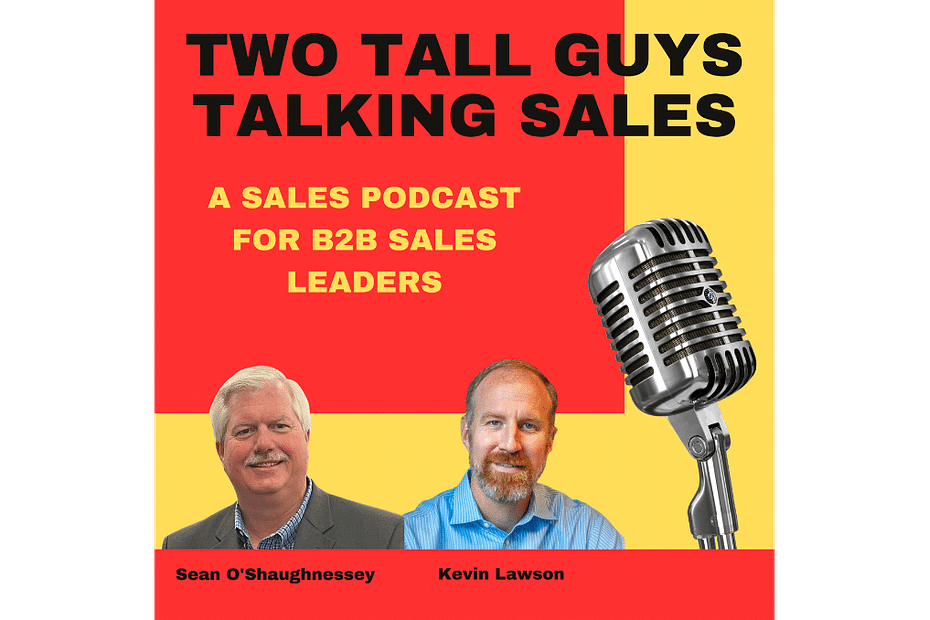
Two Tall Guys Talking Sales – Building a Sales Powerhouse—The 3 Most Underrated Skills with Jeff Parris – Episode 143

Sales isn’t about persuasion but service, resilience, and growth. In this episode of Two Tall Guys Talking Sales, co-hosts Kevin Lawson and Sean O’Shaughnessey welcome sales leader and former professional athlete Jeff Parris to explore the fundamental skills that separate elite salespeople from the rest. Drawing on decades of experience, Jeff shares three often-overlooked yet foundational competencies that drive sales success, and they’re not what you’d expect. Whether you’re a VP of Sales building a… Two Tall Guys Talking Sales – Building a Sales Powerhouse—The 3 Most Underrated Skills with Jeff Parris – Episode 143

How to Create an Elevator Pitch That Opens Doors

In business, every introduction matters—especially when time is short. This post explores how to craft an effective elevator pitch or Unique Selling Proposition that captures attention, sparks curiosity, and opens the door to future conversations. Learn the key elements of a winning pitch and how to use real-world success stories to make a lasting impression.

Becoming a Trusted Advisor: Solve Problems, Not Just Sell Products

In B2B sales and sales leadership, problem-solving is an art that goes beyond selling a product or service. The secret to becoming a trusted advisor is addressing business problems, not just selling a product. This concept resonates with salespeople, sales managers, and small business CEOs who sell themselves or manage a team of salespeople. 

Sales is not just about pushing a product or closing a deal; it’s about forging relationships, understanding businesses and their unique challenges, and offering solutions to these problems. The role of a trusted advisor is not to sell a product and become a trusted advisor, but rather to become a trusted advisor who can sell a product. 

The reward for earning trusted advisor status is immeasurable. It is fantastic to receive a call from a client asking for advice on solving problems they have never discussed with you. Imagine having relationships that stand the test of time and outlast competition and challenges. 

So, how does one become a trusted advisor and solve problems for clients rather than just selling them a great product? It starts with building a relationship from scratch. When starting with a prospect list or an ideal client profile, the goal is not to find anyone who will respond but to seek opportunities to build meaningful relationships. 

The cornerstone of these relationships is reliability. 

  • Are you always punctual? 
  • Do you cancel at the last minute? 
  • Do you forget to return phone calls? 

These behaviors erode trust. On the other hand, showing up when needed, providing solutions even when they are not directly related to your product or service, and connecting clients to others who can help them are behaviors that build trust. 

Becoming a trusted advisor also involves understanding and curiosity about the client’s business. Do you ask questions about how the prospective company makes and loses money, how it dealt with past challenges like the pandemic, and how it deals with current challenges like rising inflation or supply chain disruption? The aim is to understand the client’s business, challenges, and competitors and offer insights and parallels to other companies. 

Read the rest of the article…

The Power of Personal Branding in Enhancing Sales Productivity

Navigating the world of sales can sometimes feel like traversing a labyrinth. Salespeople, sales managers, and CEOs alike grapple with the challenge of increasing revenue and enhancing productivity in their sales processes. To be successful, you need more than knowledge of products and services; you need to develop trust and a strong personal brand.

Business-to-business (B2B) sales involves transferring trust from ourselves to our prospects. We trust in our products and company, but convincing prospects to share that trust is the real challenge. This trust should encompass the product, the company, and perhaps most crucially, the salesperson. Remember, B2B sales could be defined as helping prospects decide in our favor within the desired timeframe.

The key to B2B sales is developing a personal brand that inspires trust in salespeople. The salesperson’s ability to convey reliability, expertise, and credibility can significantly influence how fast a prospect invests in a product or service.

Developing a strong personal brand begins with creating a presence that signals control and understanding of the business. This can be achieved by showcasing the benefits of your product or service to your customer’s business. A straightforward way to build your brand is by seeking references from your network, former employers, and customers, and showcasing these on professional platforms like LinkedIn.

Read the rest of the article…

Two Tall Guys Talking Sales – Sales Slumps & Hot Streaks: How to Build a Predictable Pipeline – E122

Sales is a game of ups and downs, but what separates top performers from the rest is their ability to keep the funnel full—even when they’re closing deals. In this episode of Two Tall Guys Talking Sales, Kevin Lawson and Sean O’Shaughnessey dive into the art and science of building a consistent pipeline. They discuss strategic approaches to prospecting, leveraging data tools, and the importance of curiosity in sales conversations. Whether you’re starting fresh in… Two Tall Guys Talking Sales – Sales Slumps & Hot Streaks: How to Build a Predictable Pipeline – E122

Two Tall Guys Talking Sales Podcast – From Salesperson to Trusted Advisor: The Art of Problem Solving – Episode 50

Dive deep into the heart of sales and sales leadership with Kevin Lawson and Sean O’Shaughnessey as they unravel the essence of problem-solving in the sales arena. This episode isn’t just about identifying problems but understanding the art of solving them. If you aim to transition from just selling a product to becoming a trusted advisor, this episode is your roadmap. Key Topics Discussed: Key Quotes: Additional Resources: In this enlightening episode of “Two Tall… Two Tall Guys Talking Sales Podcast – From Salesperson to Trusted Advisor: The Art of Problem Solving – Episode 50

Two Tall Guys Talking Sales Podcast – Beyond the Pitch: How Trust and Personal Brand Shape Sales Success – Episode 49

Join hosts Sean O’Shaughnessey and Kevin Lawson as they delve deep into the art of sales, emphasizing the importance of trust, personal branding, and the role of a salesperson in today’s market. In this episode, they discuss the nuances of transferring trust, the significance of personal branding, and how sales leaders can guide their teams to success. Key Topics Discussed: Key Quotes: Additional Resources: In a world where trust is paramount, Kevin and Sean highlight… Two Tall Guys Talking Sales Podcast – Beyond the Pitch: How Trust and Personal Brand Shape Sales Success – Episode 49