Skip to content

goals

What An MBA Didn’t Teach You About Sales

The sales profession is challenging. You need to work hard at it to succeed. You need to learn from the best. You need to improve your skills continuously. If you think you can sell since you are a hit at parties and have a lot of friends, you may soon find that you are a failure as a salesperson. Blunt truth:

because the sales profession is so hard, you have to focus on doing everything in sales very well, or you will be considered a failure.

I call this blog, Skinned Knees because I try to relate all of the learning that I have done over the past 4+ decades (while skinning my knees in the learning process).

I hope that you learn from my mistakes so that your business will grow!


Unlocking Your Company’s Potential: The Power of a Strong Sales Organization in Driving Revenue Growth and Boosting Valuation

A strong sales organization is the cornerstone of any successful business. The sales team serves as the company’s lifeblood, driving revenue growth and ensuring long-term financial stability. When a company prepares for a merger, acquisition, or public offering, having a strong sales team can translate into a higher valuation. 

A strong sales organization is the backbone of a thriving business, as it directly impacts revenue generation. When a company’s sales team is well-organized, well-trained, and motivated, they become more effective in closing deals and fostering relationships with clients. This increased effectiveness leads to more sales, ultimately resulting in higher revenues and profits for the company.

By investing in a strong sales organization, businesses can capitalize on opportunities and achieve maximum value. The best sales organizations have a proven track record of success. These teams have established a consistent sales process, streamlined communication channels, and aligned with the company’s overall business goals.

A successful sales team is crucial for driving revenue growth. The following factors contribute to a sales organization’s ability to increase revenues and profits:

  1. A clear sales strategy
  2. A process-oriented approach
  3. High-quality sales training and coaching
Read the rest of the article…

Fractional Executives: The Cost-Effective Solution for Small Businesses in Need of Expertise

Fractional executives are experienced professionals who work part-time or on a project basis, providing expertise and guidance to help businesses achieve their goals. Often, small businesses need more resources and expertise, making it difficult for them to achieve growth and success. While hiring a full-time executive may not be feasible due to the costs involved, fractional executives can provide a cost-effective solution to this problem. 

A fractional executive differs from a consultant, but the difference may confuse some. Typically, a consultant will provide advice and guidance, but they are separate from your company. A fractional executive works alongside your team, helps in company operations, and is responsible for the outcomes of those operations. They are an extension of your existing leadership team. In most instances, a fractional executive provides all of the responsibilities to your company as a full-time executive.

Cost-effective Expertise

One of the most significant benefits of using fractional executives is cost savings compared to a full-time employee with a similar amount of experience. Hiring a full-time executive can be expensive. Fractional executives work on a part-time or project basis, meaning companies can save money by only paying for the services they need. Additionally, businesses can avoid the costs of recruiting, hiring, and training a full-time executive.

As explained in the FRACTIONALS UNITED BLOG, it is essential to explore the cost of an FTE (full-time employee) compensation plan compared to fractional monthly retainers. The data is eye-opening!

According to data gathered (March 2023) by Salary.com, the median (50th percentile) core compensation (salary+benefits*) for the following C-Suite leaders is as follows:

  • Chief Financial Officer (CFO)- $558,999 ($46,583/mo) + 22% bonus
  • Chief Operating Officer (COO)- $622,672 ($51,889/mo) + 23% bonus
  • Chief Marketing Officer (CMO)- $464,651 ($38,720/mo) + 25% bonus
  • Chief Revenue Officer (CRO)- $408,619 ($34,051/mo) + 12% bonus
  • Chief Technology Officer (CTO)- $387,001 ($32,250/mo) + 15% bonus
  • Chief Human Resources Officer (CHRO)- $449,340 ($37,445/mo) + 25% bonus
  • Chief Talent Officer (CTAO)- $337,197 ($28,099/mo) + 20% bonus

Bonus comp and equity cash totals were excluded from this comparison since both are variable compensation, only sometimes guaranteed. The average percentage offered was noted instead.

The average monthly retainer for fractional executives starts at around $5,000 and goes upwards to $15,000 per month. Retainers vary depending on the experience, scope of work, and level of hourly commitment per month (i.e., 25%, 50%, or 75% commitment to the team/company). The retainer may be higher if the professional has more years of experience, is in high demand, or if the organization is in a large metropolitan area.

If we assume that any given fractional executive discipline is $10,000 per month, then:

  • Fractional CFO – 21% of an FTE
  • Fractional COO – 19% of an FTE
  • Fractional CMO – 26% of an FTE
  • Fractional CRO – 29% of an FTE
  • Fractional CTO – 31% of an FTE
  • Fractional CHRO – 27% of an FTE
  • Fractional CTAO – 26% of an FTE
Read the rest of the article…

How Small Businesses Can Compete with Larger Competitors Using the Fragment Sales Strategy

Small businesses often find themselves at a disadvantage when competing with larger, well-established companies. However, they can still succeed. It requires them to think creatively and strategically and to develop unique approaches to win customers over. One approach small businesses can take is implementing the Fragment Sales Strategy. This approach is advantageous when small companies find themselves in David vs. Goliath-type sales campaigns, going up against larger competitors with more resources, references, and success stories.… How Small Businesses Can Compete with Larger Competitors Using the Fragment Sales Strategy

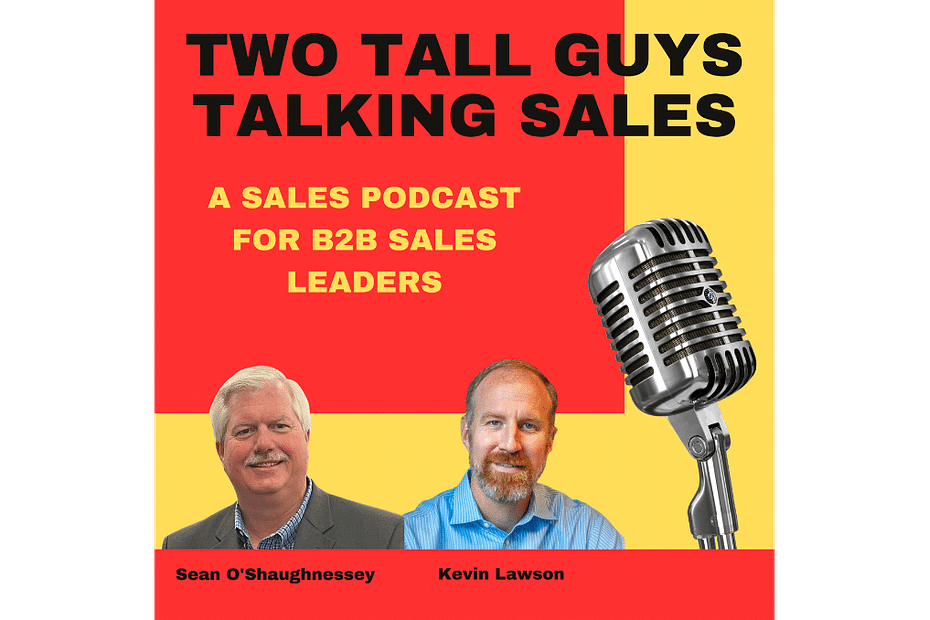
Two Tall Guys Talking Sales – Sales Meetings Are for Educational Purposes – E23

In this episode of “Two Tall Guys Talking Sales,” Sean and Kevin provide insights on conducting effective sales meetings focusing on education and training. They suggest assigning individual salespeople to research topics or chapters of a book to teach the team, ensuring everyone becomes an authority on the topic. The hosts stress the importance of repetition and testing knowledge by applying it to specific accounts or situations. They also highlight the need for clear goals… Two Tall Guys Talking Sales – Sales Meetings Are for Educational Purposes – E23

Sales Coaching: A Key Tool for Achieving Business Growth in B2B Sales

Sales coaching has become integral to the modern business environment, particularly in business-to-business (B2B) sales. The sales coaching process enhances salespeople’s skills, knowledge, and capabilities to achieve their goals, deliver value to customers, and improve organizational performance. In this article, we will examine the importance of sales coaching in B2B sales organizations, explore the best practices for effective coaching, and discuss the key benefits that result from a well-executed sales coaching program. Sales coaching has… Sales Coaching: A Key Tool for Achieving Business Growth in B2B Sales

Leading Your Sales Team to Success: 5 Best Practices You Need to Know

In today’s highly competitive business environment, sales leaders play a crucial role in the success of their organizations. They are responsible for setting sales targets, creating effective sales strategies, and motivating their teams to achieve their goals. However, being an effective sales leader requires more than just setting targets and motivating your team. This article will explore the five best practices of effective sales leaders. 1. Set clear and achievable goals. One of the primary… Leading Your Sales Team to Success: 5 Best Practices You Need to Know

Tip #2 of 12 – How To Start The New Year STRONG! – Set a big goal for the year ahead

We have all heard of the 12 days of Christmas. This post is part of my series of 12 posts on how to strongly start the new year and drive revenue for your company and you. In this video, we discuss the following: GOALS MATTER! Always start the New Year committed to making 100% of your quota! In fact, you should set a goal of OVER 100% of your quota! You can check out all… Tip #2 of 12 – How To Start The New Year STRONG! – Set a big goal for the year ahead