Skip to content

Leadership

What An MBA Didn’t Teach You About Sales

The sales profession is challenging. You need to work hard at it to succeed. You need to learn from the best. You need to improve your skills continuously. If you think you can sell since you are a hit at parties and have a lot of friends, you may soon find that you are a failure as a salesperson. Blunt truth:

because the sales profession is so hard, you have to focus on doing everything in sales very well, or you will be considered a failure.

I call this blog, Skinned Knees because I try to relate all of the learning that I have done over the past 4+ decades (while skinning my knees in the learning process).

I hope that you learn from my mistakes so that your business will grow!


The McDonald’s Lesson: Why a Diverse Sales Team Matters for Small Businesses

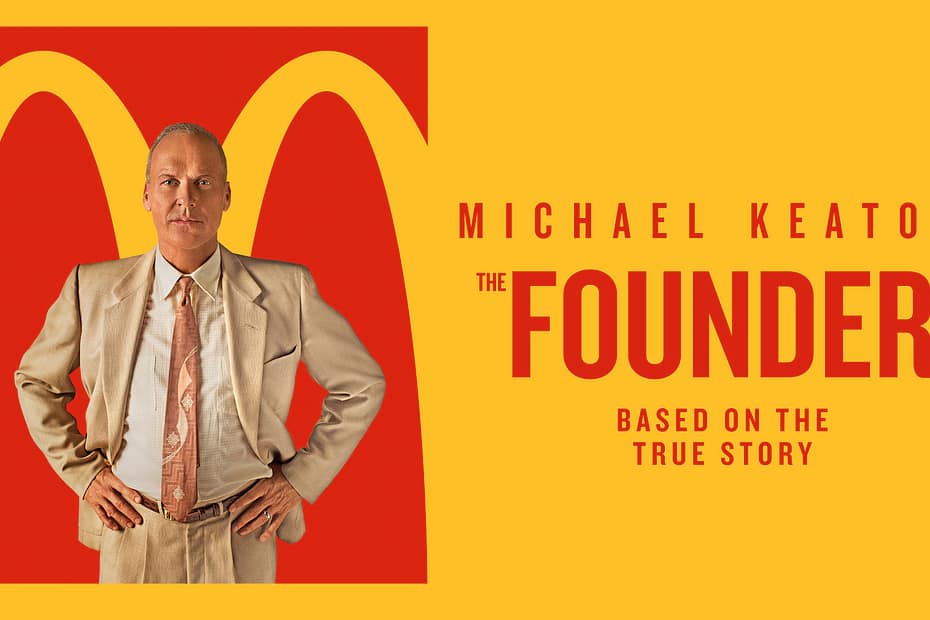
In the annals of American business history, few stories are as captivating as the rise of McDonald’s, immortalized in the 2016 biographical drama film “The Founder.” The story of Ray Kroc, a struggling milkshake machine salesman who transformed a local drive-in into a global fast-food empire, is a classic tale of ambition, innovation, and, controversially, ruthless business acumen. However, behind the gripping narrative lies a valuable lesson for small businesses today. The McDonald brothers, Richard… The McDonald’s Lesson: Why a Diverse Sales Team Matters for Small Businesses

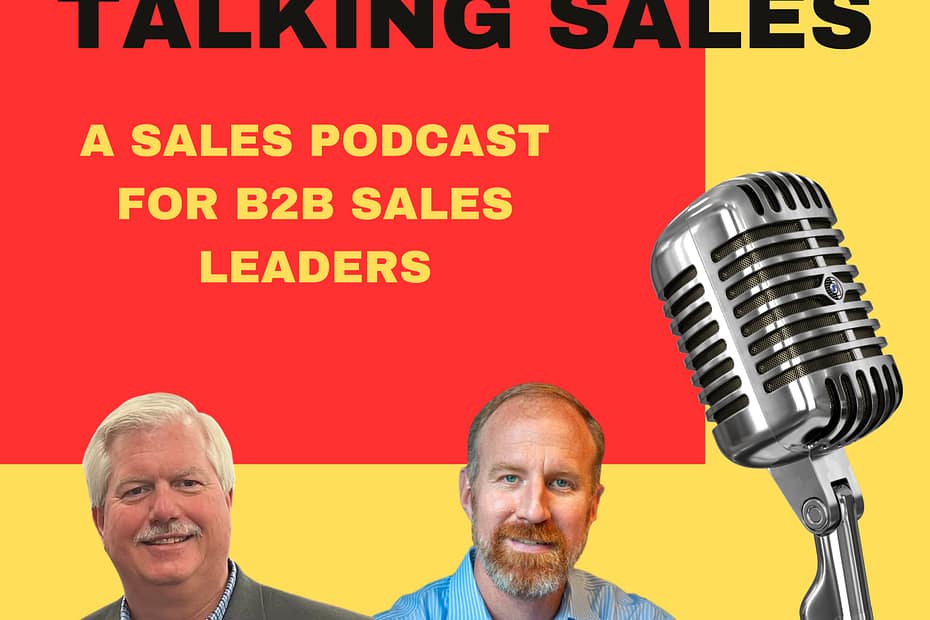
Two Tall Guys Talking Sales Podcast – Sales Leadership Mastery: How to Coach, Not Micromanage, Your Team – Episode 44

In this engaging episode of Two Tall Guys Talking Sales, Sean and Kevin don’t just identify the problems associated with micromanagement but provide actionable insights and solutions for how to evolve into an effective leader. Whether you’re just beginning in sales or leading a team, their candid conversation will offer you strategies to avoid micromanagement, build trust within your team, and create a culture of success. Don’t miss this chance to learn from two seasoned sales veterans – tune in to this episode and take your sales leadership skills to the next level!

The Kaivac Impact: Harnessing Faith, Innovation, and Sales Excellence in the Cleaning Industry

Revenue and profitability have grown since Sean helped Kaivac develop a higher level of sales professionalism. Recent results have shown a dramatic increase in revenue and profitability. The sales and revenue growth have allowed the entire family of Kaivac to prosper. The Robinsons have always considered their employees an extension of their family. The company’s prosperity is passed along to team members through a bonus structure for the whole company. It all fits into the spirit of Kaivac. Bob Jr. says, “Our organization was built to have heart.”

Two Tall Guys Talking Sales Podcast – Breaking Growth Barriers: When Should CEOs Stop Leading Sales?– Episode 40

In this episode, Kevin and Sean break down the importance of implementing a well-structured sales team and the necessity for CEOs to delegate sales leadership. They highlight the risks of an owner-operator leading sales and how it can limit business growth. Using their experience and the wisdom of successful entrepreneurs, they provide valuable insights into creating a systematic, repeatable, and high-performance sales culture. So, if you’re an entrepreneur looking to streamline your sales process and drive your company forward, this episode of Two Tall Guys Talking Sales is a must-listen. You won’t want to miss it!

Two Tall Guys Talking Sales Podcast – The Art of Differentiation: How to Excel in Sales and Earn More Money – Episode 34

In this episode of Two Tall Guys Talking Sales, Sean O’Shaughnessey and Kevin Lawson discuss the importance of standing out and differentiating oneself in the competitive world of sales. They explore how salespeople can escape the commodity mindset and become trusted advisors to their clients, ultimately leading to more money and success. Key takeaways from the episode include: The hosts also mention insightful books and previous podcast guests, such as Kelly Crandall and Jim Hardwick… Two Tall Guys Talking Sales Podcast – The Art of Differentiation: How to Excel in Sales and Earn More Money – Episode 34

Leadership Styles Differ Based on the Situation: Sales Growth vs. Sales Recovery 

By Sean O’Shaughnessey & Kevin Lawson

As B2B-focused businesses navigate the ever-changing landscape of a post-COVID economy, sales leaders must adopt and institute strategies to meet the demands of a business in growth or recovery mode. 

While the goal for a sales organization may be to sustain the growth trajectory aligned with organizational goals, the year-over-year approach to achieving success can vary significantly. Sales leadership styles depend on the current situation, the starting point, and the existing team charged to accomplish the goal. Good sales leaders find a way to achieve the annual goal; great sales leaders find ways to achieve the goal and systemize the process to allow for repeatable growth, pivots, and rapid scale.      

Growth Focused Leadership

Sales leaders focused on growth must proactively identify new market opportunities, verticals, geographies, platforms, or sales talent. They must invest in new sales channels and technologies, along with onboarding and training programs to support the growth of their sales teams and the acquisition of new client relationships.

When sales teams are in a breakout stage of growth, it can be challenging to gain the discipline to systems and alignment on processes and approaches due to the nature of managing client expectations on a wildly rising revenue outlook. This situation demands that all of the skills of a sales leader be applied consistently and strategically across the team and sales practices.  

Seasoned leaders know that hiring for an increased workload and rapidly scaling teams can be tempting. However, this approach can often lead to problems down the line. Further, we must suppress the desire to hire quickly instead of exercising patience in finding the right candidate to continue to scale teams and culture appropriately. That patience means we must endure the short-term challenges of being under-resourced and under a great deal of pressure to keep performing as if we already had the resources on the team.  Instead, it is essential to focus on finding the right candidate who will not only be able to handle the current workload but also contribute to your team’s culture and help your organization achieve long-term success. Take the time to vet candidates carefully and consider not only their skills and experience but also their values and how they fit into your team’s dynamic. By prioritizing quality over speed, you’ll set your team up for success in the long run.

Another important consideration when building a team is to prioritize scalability. It’s easy to get caught up in your organization’s immediate needs and hire for the present moment, but it’s crucial to think about how your team will grow and evolve. Look for candidates with the potential to take on new responsibilities and leadership roles as your organization expands. Consider investing in training and professional development programs to help your team members acquire new skills and stay up-to-date with the latest industry trends. By prioritizing scalability, you’ll be better equipped to adapt to changing business needs and continue to achieve success over the long term.

Discipline to proven systems is essential for leadership and having transparent KPIs and organizational goal communications. The rigor and discipline of a sales leader in a growth cycle are particularly demanding. One primary concern for leaders in this mode is talent loss due to competitive pressures to grab your resources for their growth. It would help if you had experience and discipline for these growth moments.

Read the rest of the article…

Two Tall Guys Talking Sales Podcast – Adapting Sales Strategies in a Changing World – Episode 32

In this episode of the podcast, Kevin and Sean discuss the necessity for sales leaders to adapt their advice and strategies in today’s ever-changing environment. With the numerous changes and challenges that businesses face daily, sales leaders must constantly evolve and stay ahead of the curve to help their teams succeed. The discussion touches on how being a trusted advisor to clients is crucial for success regardless of market shifts and economic turmoil. The ability… Two Tall Guys Talking Sales Podcast – Adapting Sales Strategies in a Changing World – Episode 32

Two Tall Guys Talking Sales Podcast – The Power of Service: How Giving Back Can Drive Sales Success featuring Jim Hardwick, Chief Community Officer of Sales Xceleration – Episode 31

In this inspiring episode of “Two Tall Guys Talking Sales,” the hosts, Sean and Kevin, welcome Jim Hardwick, Chief Community Officer for Sales Xceleration and Fractional VP of Sales. As a seasoned sales professional with 36 years of experience in healthcare, Jim shares his journey from climbing the corporate ladder to finding purpose and joy in his current role. He attributes his newfound happiness to a paradigm shift towards serving others, a realization sparked by… Two Tall Guys Talking Sales Podcast – The Power of Service: How Giving Back Can Drive Sales Success featuring Jim Hardwick, Chief Community Officer of Sales Xceleration – Episode 31

May Newsletter Featuring Information About Fractional Executives

                                                                                                                                                                 Spring has finally arrived. The flowers are blooming. The trees are growing leaves. And, of course, it feels like it rains almost every other day!   This edition of my newsletter focuses on using fractional executives to grow your business. Jayant Chaudhary summed it up very well in his article “Why Fractional Executives Are the Best Investment For Your Business” with this final statement:   “Hiring a fractional executive is the best… May Newsletter Featuring Information About Fractional Executives

Fractional Executives Are Better Than Consultants For Driving Valuable Changes in Small Businesses

Change is inevitable, and small business owners must constantly adapt to stay ahead of their competition. While traditional consultants may offer valuable insights and recommendations, they often lack the hands-on commitment to implement these changes effectively. A consultant will write a report and presentation to advise management of required changes and then count on management to deploy the advice effectively. More than a report or playbook is usually needed to drive tangible results.

Enter the concept of a fractional executive. This innovative solution provides small businesses the strategic guidance and support they need to grow and evolve. In this blog post, we’ll explore the role of a fractional executive, discuss their benefits, and share tips for finding the right fit for your business.

A fractional executive is a seasoned professional who offers expertise and leadership on a part-time or project basis. These individuals often have extensive experience in their respective fields and can fill critical gaps in a company’s leadership team. From acting as a temporary CEO to guiding sales or financial strategies, fractional executives provide services tailored to your business’s unique needs.

The critical difference between a fractional executive and a traditional consultant lies in their level of commitment. While consultants often deliver a one-time report or set of recommendations, fractional executives are actively involved in the day-to-day operations of your business. They work closely with your team to implement changes, monitor progress, and adjust strategies as needed, ensuring that your business thrives in the long term.

Consultants can create beautiful reports using modern tools like Chat GPT. While a report generated by Chat GPT can provide valuable insights and recommendations for a business, it is crucial to recognize that such a report alone is insufficient to drive meaningful changes. To successfully implement and manage the recommended changes, businesses require a more hands-on and personalized approach that addresses their unique challenges and opportunities. A report can serve as an excellent starting point, but companies must invest in dedicated human expertise to ensure that the proposed changes are effectively integrated into their operations.

A Chat GPT report may be insufficient for driving change because it cannot fully account for the intricacies and nuances of each business. While AI-generated reports can be well-researched and informative, they may need a more profound understanding of company culture, team dynamics, and specific market conditions necessary to develop tailored strategies. On the other hand, a human expert can work closely with stakeholders, employees, and customers to gain a comprehensive understanding of the business’s unique needs and challenges, allowing them to develop and implement more effective change initiatives.

Additionally, change management requires ongoing support and guidance, which a Chat GPT report or an absentee consultant cannot provide. Implementing changes often involves overcoming obstacles, refining strategies, and addressing unforeseen issues that arise during the process. A human expert, such as a fractional executive, can provide the necessary support and adaptability to navigate these challenges and ensure the success of the change initiatives. By working closely with the business daily, they can monitor progress, identify areas for improvement, and make real-time adjustments to keep the change process on track.

Read the rest of the article…