
Skip to content

Prospect Engagement

What An MBA Didn’t Teach You About Sales

The sales profession is challenging. You need to work hard at it to succeed. You need to learn from the best. You need to improve your skills continuously. If you think you can sell since you are a hit at parties and have a lot of friends, you may soon find that you are a failure as a salesperson. Blunt truth:

because the sales profession is so hard, you have to focus on doing everything in sales very well, or you will be considered a failure.

I call this blog, Skinned Knees because I try to relate all of the learning that I have done over the past 4+ decades (while skinning my knees in the learning process).

I hope that you learn from my mistakes so that your business will grow!


From Leads to Clients: How Aligning Sales and Marketing Fuels Sustainable Growth

There’s a common sentiment among sales teams this time of year: a sense of urgency. The calendar flips, Q4 starts, and suddenly it feels like you’re already behind. Sound familiar? That mid-Q4 pressure is real. But before you sprint into outreach and activity, step back and assess what’s actually fueling your pipeline? More importantly, is it aligned with long-term growth?

Sales leaders and CEOs often default to lead generation as the focal point. It’s understandable. More leads, more conversations, more deals, right? But that mindset skips a critical first step. You can’t scale what isn’t aligned. If your marketing message doesn’t match your sales conversations, you’re wasting time and budget. If your sales team is chasing poorly qualified leads, you’re burning cycles. And if your customers can’t articulate why they bought from you, you’ve got a positioning problem.

The foundation starts with clarity. What value do you truly deliver? Why do customers choose you over alternatives? If you can’t answer that in a clear, 50-word statement, your team is likely improvising in the field, and that’s costing you revenue. This is where sales and marketing alignment becomes more than just a buzzword. It’s operationally necessary.

Sales enablement isn’t only about tools and training. It’s about empowering sales with the right message at the right time. That starts with defining three core customer states:

  1. leads,
  2. prospects,
  3. clients.

Each phase requires different messaging, timing, and expectations. Most organizations blur those lines. That’s where inefficiency creeps in.

Leads sit at the top of the funnel. They are either unaware or only lightly aware of your offering. At this stage, marketing owns the responsibility. However, marketing without sales feedback is akin to shooting in the dark. Sales needs to inform marketing what makes a lead qualified.

  • What signals intent?
  • What common objections surface early?

Without that feedback loop, marketing tends to optimize for volume rather than quality.

Read the rest of the article…
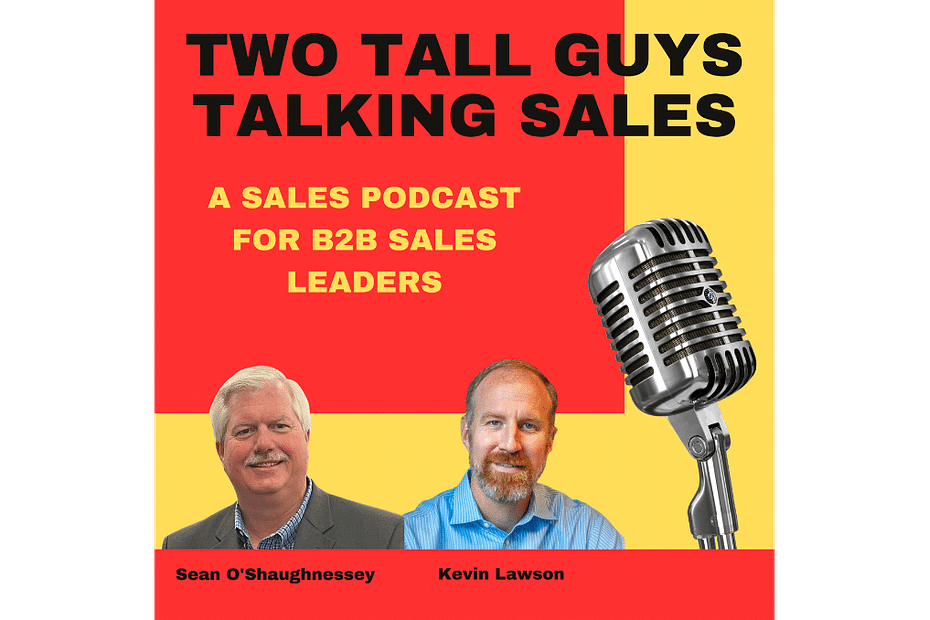

Two Tall Guys Talking Sales – The Death of Cold Calling and the Rise of Relationship Selling – E119

Cold calling is dead—or so claims our guest, Ben Victorica, in this thought-provoking Two Tall Guys Talking Sales episode. Hosts Kevin Lawson and Sean O’Shaughnessey dive deep with Ben into the challenges of modern sales pipelines and explore why traditional outreach methods are no longer effective. Together, they uncover how relationship selling, fueled by emotional intelligence and strategic connections, is reshaping the future of sales. Whether you’re a seasoned sales professional or just starting out,… Two Tall Guys Talking Sales – The Death of Cold Calling and the Rise of Relationship Selling – E119

From Chaos to Order: Improve Your Sales Productivity with Effective Pipeline Management

Sales is a complex and intricate world, a jigsaw puzzle where each piece must fit perfectly to create a successful picture. This is especially true when it comes to managing sales, whether you’re a salesperson, a sales manager hoping to enhance your leadership skills, or a CEO in the trenches of a small company. Understanding the challenges and nuances of the sales process is crucial to increasing revenue and productivity.

Imagine you’re in a room full of sports equipment scattered everywhere, from basketball shoes to cheerleading pom-poms. It’s a total mess, and you can barely see the floor. This is a perfect metaphor for what a disorganized sales pipeline can look like. It’s messy chaotic, and there’s always something that doesn’t quite smell right. 

The sales pipeline is vital for tracking and managing sales prospects from the initial contact to the deal’s closing. It visually represents where potential customers are in the sales process. However, if not properly managed, the pipeline can become a mess. 

A common issue is when a deal gets pushed from one month to the next. The sales rep simply changes the closing date, making it seem like procrastination has become a part of the process. This can be due to various reasons, such as a lack of commitment from the customer, the sales rep not understanding the customer’s needs, or simply a lack of follow-up. To avoid this, it’s essential to go back to basics. Understand where the customer is in their evaluation and buying process. Are they genuinely interested in buying or just exploring the idea? It’s perfectly fine for a customer to be in the exploratory stage, but that doesn’t mean they’re ready to buy. These customers should be considered early-stage prospects and not be rushed into buying. 

Read the rest of the article…