Skip to content

sales coaching

What An MBA Didn’t Teach You About Sales

The sales profession is challenging. You need to work hard at it to succeed. You need to learn from the best. You need to improve your skills continuously. If you think you can sell since you are a hit at parties and have a lot of friends, you may soon find that you are a failure as a salesperson. Blunt truth:

because the sales profession is so hard, you have to focus on doing everything in sales very well, or you will be considered a failure.

I call this blog, Skinned Knees because I try to relate all of the learning that I have done over the past 4+ decades (while skinning my knees in the learning process).

I hope that you learn from my mistakes so that your business will grow!


Validation Events: The Unsung Hero of Sales Process Discipline

In the complex world of B2B selling, trust is built in stages. The challenge in all sales campaigns is ensuring the prospect trusts they are making the best decision for their business.

  1. Do they trust that the salesperson is giving them all of the information?
  2. Do they trust that the company will support them after the sale?
  3. Do they trust that the product will perform as they expect it to perform?

As I have explained in my book, Eliminate Your Competition, as well as the blog for that book and in this blog, the prospect needs to trust all three elements the salesperson is selling:

  1. They need to trust the product.
  2. They need to trust the company behind the product.
  3. They need to trust the salesperson.

Prospects listen to your sales message, review your materials, and hear your claims, but none of that guarantees belief or trust. Trust is validated when your claims are validated. That’s why validation events are crucial to any rigorous sales process.

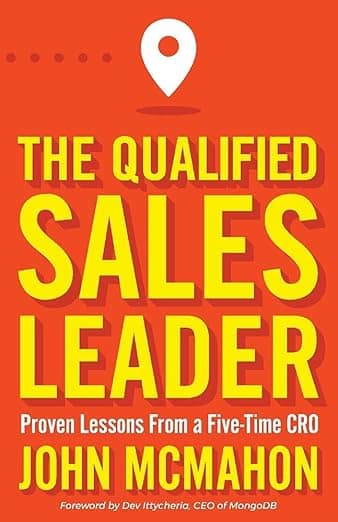
In The Qualified Sales Leader, John McMahon stresses the importance of customer-driven validation. He cautions sales leaders against relying on internal optimism or anecdotal “good signals” from prospects. Instead, McMahon emphasizes observable proof—real buyer behavior that confirms alignment, commitment, and value. Validation events are when the customer takes action to validate that what you’ve promised is accurate and valuable.

An excellent sample sale process flow looks like this:

  1. Discover
  2. Scoping
  3. Economic Buyer Meeting
  4. Validation Event
  5. Business Case and Final Proposal
  6. Negotiate and Close

As you can see, the Validation Event is the last step before creating the final business case, which will be bundled with your final proposal.

Read the rest of the article…

The Three Pillars of Sales Success: Ideal Client Profiles, Effective Messaging, and Aspirational Offers

Let’s start this article with a rhetorical question to the sales professionals, sales managers, or CEOs: Have you ever found yourself guilty of sending messages to prospects without fully considering their specific needs or how your offer aligns with them?

If so, you’re not alone—this is a common pitfall in sales. The good news is, it’s entirely fixable by developing a straightforward, strategic approach.

An effective sales strategy hinges on three core components: defining your ideal client profile (ICP), crafting a resonant message, and presenting a compelling offer. These elements are interconnected. Mastering their alignment will significantly enhance your sales effectiveness.

Ideal Client Profile

Let’s start with the ideal client profile. How well do you know the companies you’re targeting? Identifying your ideal customer is foundational to your entire sales approach. It’s not enough to say that your market is “small businesses” or “tech companies.” Instead, think about your best clients—the ones you genuinely enjoy working with, who value your product, and who generate profitable, sustainable business. Think about companies that rarely devalue your product or service by asking for a discount. What do these clients have in common?

Now that you have your favorite customers from above, reflect on your top five or ten accounts. Are they in the same industry? Do they share similar challenges or company structures? Perhaps they all have common goals that your product consistently solves. Pinpoint these commonalities. This process will help you create a precise and actionable ideal client profile.

But don’t stop at company-level characteristics. Remember, even in B2B sales, you’re ultimately selling to individuals. Identify the specific roles or buyers within these organizations that are responsible for making buying decisions. Who are these decision-makers? What motivates them personally and professionally? Do they all have the same kind of college education? Do they all have similar career paths? Understanding the people behind the logo makes your outreach more personal, targeted, and effective.

What is your message?

Once you’ve developed a clear picture of your ideal client and the people within those companies, the next step is crafting a message that reflects your value-selling message. This message is how you communicate your value proposition—it’s the bridge between your product and your prospect’s needs. Too often, sales messaging falls flat because it focuses heavily on the seller rather than the buyer. Statements that emphasize “we,” “I,” or “our product” rarely resonate deeply. Instead, effective messaging highlights the customer’s perspective, clearly communicating the benefits they will experience.

Read the rest of the article…

How to Create an Elevator Pitch That Opens Doors

In business, every introduction matters—especially when time is short. This post explores how to craft an effective elevator pitch or Unique Selling Proposition that captures attention, sparks curiosity, and opens the door to future conversations. Learn the key elements of a winning pitch and how to use real-world success stories to make a lasting impression.

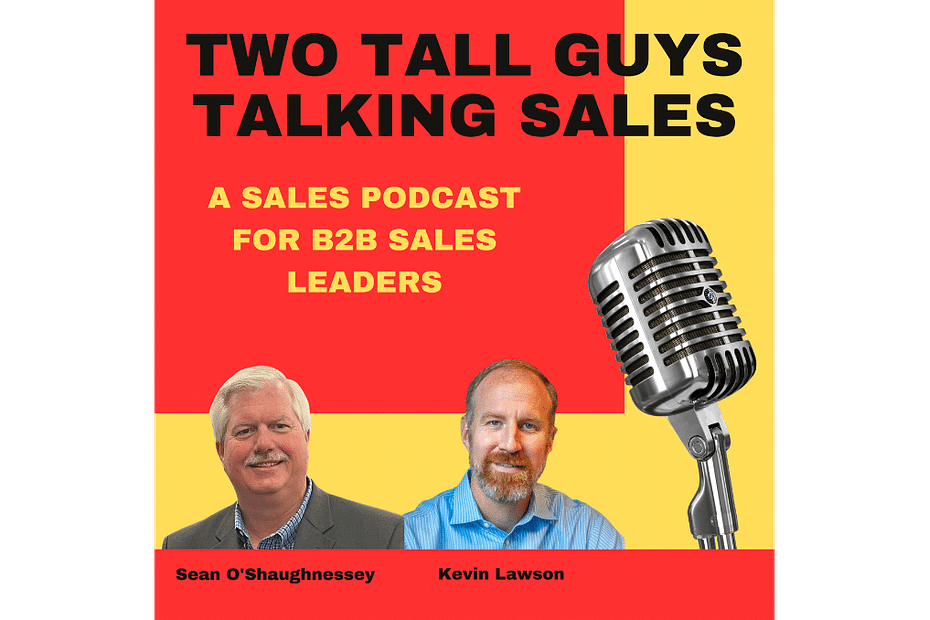
Two Tall Guys Talking Sales – From Regular Season to Postseason: Coaching Your Sales Team to Win – E128

As a sales leader, are you coaching your team for the long haul, or are you scrambling in the final weeks of the quarter? In this episode of Two Tall Guys Talking Sales, Kevin Lawson and Sean O’Shaughnessey break down the difference between regular season and postseason play—whether in sports or sales. They explore why last-minute Hail Mary strategies can be damaging, how to manage time, and the importance of effective and consistent coaching. With… Two Tall Guys Talking Sales – From Regular Season to Postseason: Coaching Your Sales Team to Win – E128

Building Winning Sales Teams for the Future: Insights for CEOs and Sales Leaders

What are the key moves that CEOs and sales leaders must make to prepare their teams for success in 2025? That’s exactly what we explored in a recent episode of the Art and Science of Complex Sales podcast hosted by Paul Fuller of Membrain. I had the pleasure of joining Kevin Lawson, President of Lighthouse Sales Advisors, for a deep dive into the strategies defining high-performing sales organizations in the year ahead. You may recognize… Building Winning Sales Teams for the Future: Insights for CEOs and Sales Leaders

Overcoming Ghosting and Other Modern Sales Challenges: A Proactive Approach

Many salespeople, sales managers, and company CEOs grapple with the unique problem of adapting their sales strategies to ever-changing market dynamics. This problem stems from an old-fashioned practice in which sales leaders tend to offer the same advice that made them successful when they were nascent salespeople. However, to remain competitive and productive, realizing that this traditional advice may no longer hold relevance in today’s sales world is crucial.

Let’s consider a sales leader who made his mark when the internet was still in its infancy, and email and mobile phones were not part of the sales process. If this sales leader continues to advise their team based on those past experiences, they will likely be setting them up for failure. Today, the sales world is no longer about physical gatekeepers but about navigating spam filters and phone blockers. The sales environment has evolved, and it’s time sales strategies do, too.

A typical issue salespeople face today is being ‘ghosted’ by potential clients. Ghosting, a relatively modern term, refers to the situation where the person you’re trying to reach is not returning your calls or emails. It’s a frustrating experience, but it also indicates a salesperson’s failure to be proactive and do the right things earlier in the sales cycle. Modern salespeople need to think ahead, plan better, and ensure they set up the next meeting before leaving the current one. This proactive approach can help prevent ghosting, keep the sales conversation going, and indicate progress.

Read the rest of the article…

Navigating Through Sales Slumps: A Strategic Approach for Sales Leaders

Like any other profession, sales is not immune to periods of underperformance or slumps. These periods can be particularly challenging when a top performer in your sales team is slumping. Addressing this issue effectively can significantly improve the productivity of your sales processes, ultimately leading to increased revenue for your company.

Various factors can trigger a sales slump, but it often implies a deviation from the sales process or strategy. Sales is a time-based process, not a transactional one. It involves selling to other businesses, which takes time. Therefore, as a sales leader or CEO, it’s crucial to identify when the sales trend starts to slide. This identification is not just about revenue; it requires a retrospective look at the early stages of a sale. If there aren’t enough leads or active relationships in your pipeline, you can foresee a slump and take proactive measures to change outcomes.

A common mistake is focusing on the revenue loss resulting from the effort expended. A more constructive approach is to evaluate the salesperson’s activities in the sales process. If they do the right things daily, they will quickly work out of the slump. The focus should be on maintaining an effective pipeline and executing all the necessary tasks, such as good scoping and discovery calls.

Read the rest of the article…

Enhancing Sales Performance Through Effective One-on-One Coaching Meetings

The effectiveness of sales management is paramount, particularly in how sales managers support their team members to enhance performance. The nuanced relationship between a salesperson and their manager can significantly influence their success, a topic that is gaining traction among CEOs and sales leaders seeking to maximize their team’s capabilities. One-on-one meetings between sales managers and salespeople are not just routine check-ins but pivotal moments that can define a sales team’s success trajectory. These interactions… Enhancing Sales Performance Through Effective One-on-One Coaching Meetings