Skip to content

productivity

What An MBA Didn’t Teach You About Sales

The sales profession is challenging. You need to work hard at it to succeed. You need to learn from the best. You need to improve your skills continuously. If you think you can sell since you are a hit at parties and have a lot of friends, you may soon find that you are a failure as a salesperson. Blunt truth:

because the sales profession is so hard, you have to focus on doing everything in sales very well, or you will be considered a failure.

I call this blog, Skinned Knees because I try to relate all of the learning that I have done over the past 4+ decades (while skinning my knees in the learning process).

I hope that you learn from my mistakes so that your business will grow!


Differentiating in the Sales Process: The Key to Boosting Bottom Line

The roles of salespeople, sales managers, and small business CEOs are ever-evolving. A common problem faced is increasing revenue and productivity in sales processes. This goal is common for all, from individual salespeople striving to provide for their families to CEOs seeking to boost their company’s bottom line. The key to achieving this lies in understanding the dynamic nature of the sales environment and leveraging it effectively.

A significant part of the sales process revolves around the buyer’s perception of a product or service as a commodity. This misclassification is usually caused by insufficient differentiation in the early stages of the sales process. Differentiation is crucial in any sales process, regardless of the industry or scenario. Creating enough differentiation can be the difference between closing a deal at a discounted rate or the desired price.

Salespeople are experts in their field, whether selling a unique product specific to their company or a common commodity. They typically have a deeper understanding of what they are selling than their prospects have about what they are buying. This expertise should be leveraged to guide prospects through the buying process, adding value to the relationship and making the salesperson indispensable. This approach can reduce the emphasis on price and increase the potential for higher earnings.

Every business has unique values that differentiate it from its competitors. These unique values could be anything from their mission, vision, and values to their market commitment and guarantee. This is commonly called a Unique Value Proposition (UVP) or a Unique Sales Proposition (USP). While a UVP and a USP are similar, there is a slight difference in that the former is typically created by the Marketing department (or sometimes with the help of a business adviser such as an EOS implementer. The latter is directly targeted at salespeople and what a salesperson should say to their prospects and customers. Salespeople should understand what makes them different and communicate this effectively to their prospects. The ability to create separation and differentiate oneself is why people pay for a product or service.

Read the rest of the article…


Navigating Through Sales Slumps: A Strategic Approach for Sales Leaders

Like any other profession, sales is not immune to periods of underperformance or slumps. These periods can be particularly challenging when a top performer in your sales team is slumping. Addressing this issue effectively can significantly improve the productivity of your sales processes, ultimately leading to increased revenue for your company.

Various factors can trigger a sales slump, but it often implies a deviation from the sales process or strategy. Sales is a time-based process, not a transactional one. It involves selling to other businesses, which takes time. Therefore, as a sales leader or CEO, it’s crucial to identify when the sales trend starts to slide. This identification is not just about revenue; it requires a retrospective look at the early stages of a sale. If there aren’t enough leads or active relationships in your pipeline, you can foresee a slump and take proactive measures to change outcomes.

A common mistake is focusing on the revenue loss resulting from the effort expended. A more constructive approach is to evaluate the salesperson’s activities in the sales process. If they do the right things daily, they will quickly work out of the slump. The focus should be on maintaining an effective pipeline and executing all the necessary tasks, such as good scoping and discovery calls.

Read the rest of the article…

Transform Your Sales Strategy with the Three-Legged Stool Approach: Resonate, Differentiate, Substantiate

Business-to-business (B2B) sales is more than selling a product or service. It involves a strategic approach that includes understanding the customer’s needs, differentiating your offering, and building trust. This strategic approach is often called the three-legged stool of sales: Resonate, Differentiate, and Substantiate. Resonating with customers is the first step (leg) in the sales process. It involves answering the questions “Why should the customer act?” and “Why should they act now?” To resonate with customers,… 

Designing Sales Compensation Plans That Drive Performance

The success of any sales-driven organization in the business-to-business (B2B) space hinges on the sales team’s compensation plan. Over my four decades in B2B sales, I’ve observed that nothing influences the performance of sales personnel more directly than the design and implementation of their compensation plans. Compensation is not merely about rewarding sales achievements but crafting a strategy aligning individual salespeople’s goals with the company’s broader objectives.

A well-structured compensation plan acts as both a motivator and a guide. It compels sales teams not only to meet but exceed their targets, fostering an environment where continuous improvement is not just encouraged but becomes a natural byproduct of the system. For small business CEOs, understanding this dynamic is critical for sustaining and driving growth. Sales compensation is more than just a cost; it’s an investment in the company’s future.

In any sales environment, whether the market is brimming with potential or tightly contested, the compensation plan must be a living document that evolves in response to market conditions, company goals, and team performance. With this adaptability, companies can avoid stagnation or regression in their market positions. As businesses strive to scale and adapt, constructing a compensation plan that genuinely drives the right behaviors becomes all the more pertinent.

To delve deeper into this vital subject, CEOs should consider the immediate impacts of their compensation strategies and their long-term implications on sales culture and employee retention. For those ready to explore the intricacies of effective sales compensation and ensure their strategies are well-suited to their specific business contexts, I am here to lend my expertise. With extensive experience tailoring compensation plans to enhance sales productivity and company profitability, I invite you to reach out for further guidance on crafting a plan that meets and exceeds your strategic goals. You can set a time to talk to me using my link above Book Appointment With Sean.

Read the rest of the article…

Driving Sales Success through Collaborative Learning and Knowledge Sharing

Aiming to increase revenue and boost productivity in sales processes, sales managers and company CEOs are constantly searching for effective strategies to streamline their operations and ensure optimal results. One such strategy involves conducting sales meetings for educational purposes. These meetings focus on enhancing knowledge and skills, and this is where the real game begins. 

Imagine a sales meeting where, instead of a mundane round-up of weekly activities, there’s an engaging discussion about a new book that can potentially revolutionize the sales process. Picture a team of four or five salespeople, including you, each reading two chapters of a book overnight. The next day, everyone shares the high-level takeaways from their assigned chapters. This practice allows the team to consume an entire book’s content in a day and empowers each member to become an authority on the subject matter because they’re teaching others. The exercise is educational, promotes team collaboration, and enhances communication skills. 

This approach can be extended beyond books to other areas, such as market research. For instance, if a company is looking to enter a new vertical, different aspects of the industry, like market influencers, challenges, and political, economic, and legal factors, can be assigned to team members for research. Each member returns their findings to the team, comprehensively understanding the new market. This practice is not merely busy work; it’s sales-driving work that benefits the entire team and accelerates learning about the new market.

Read the rest of the article…

Maximizing Sales Team Productivity: The Importance of Effective Sales Meetings

Numerous factors can contribute to a sales team’s success or failure. Two key aspects that are often overlooked yet hold immense importance are the structure and content of sales meetings. These gatherings are not just about reporting numbers or discussing targets. They are platforms for learning, sharing, and strategizing that can significantly boost a sales team’s performance.

One of the fundamental principles of a productive sales meeting is having a clear plan. This doesn’t mean having a rigid agenda without room for spontaneity. On the contrary, it’s about having a framework that guides the discussion and ensures that the meeting stays focused on the key topics at hand. 

A common mistake many sales leaders make is covering too many topics in a single meeting. In an attempt to address every issue, they often skim the surface of each topic without delving deep into any. The result is a meeting lacking depth and tangible insights or solutions. Limiting the number of key topics to one or two per meeting is advisable to avoid this. This allows for a more in-depth discussion and a better understanding of the issues at hand.

Read the rest of the article…

Maximizing Productivity in Sales Meetings: Key Principles and Best Practices

Sales meetings are the lifeblood of any sales-driven organization, providing an essential forum for communication, collaboration, and strategy development. Yet, despite their significance, many salespeople, managers, and CEOs struggle to conduct productive and efficient meetings. This issue often stems from a lack of understanding of key meeting principles and best practices, particularly in the areas of time management, content planning, and participant engagement.

The adage “time is money” holds especially true in sales. Every minute counts, and wasted time equates to lost opportunities. This is why punctuality is of the utmost importance. A meeting that starts late or runs over time is disrespectful to participants and detrimental to the team’s overall productivity. 

To avoid this pitfall, sales leaders should ensure they always arrive early to meetings and start them on time, without exception. This requires careful planning and preparation, as well as a commitment to respecting the time and schedules of others. The same principle applies to the end of the meeting. Sales leaders should always strive to conclude meetings on time, which requires careful meeting agenda management and a willingness to keep discussions focused and on track.

Content planning is another crucial aspect of effective meeting management. Just as a ship needs a compass to navigate the seas, a meeting needs an agenda to guide its proceedings. A well-crafted agenda provides a clear structure for the meeting and helps to keep discussions focused and productive. It also sets clear expectations for participants and helps to ensure that all relevant topics are covered.

Read the rest of the article…

Revolutionize Your Sales Strategy: The Power of Streamlining Your Sales Process – Video 10 of the New Year Motivation Series

Entering the New Year, it’s essential to refine sales strategies by utilizing CRM systems effectively to boost sales efficiency. Identifying and addressing bottlenecks within the sales process can enhance productivity and improve customer experience. Collaboration and continuous refinement will lead to seamless client interactions and differentiate your business in the market. Aim for proactive sales process optimization to ensure a successful year ahead.

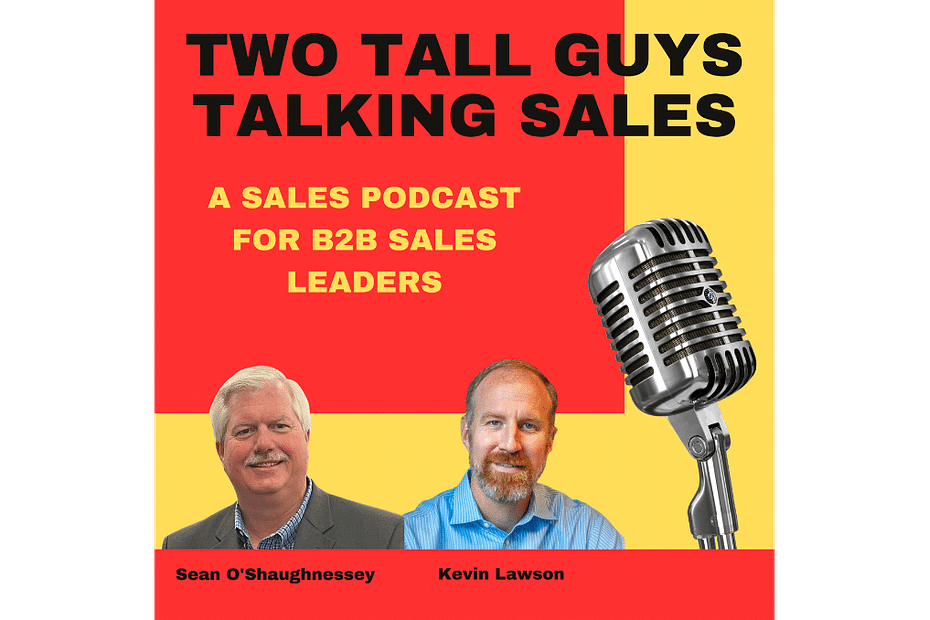
Two Tall Guys Talking Sales – Navigating B2B Sales Complexity – Insights from Membrain’s CRO Paul Fuller – E64

In this episode of “Two Tall Guys Talking Sales,” hosts Kevin and Sean, along with guest Paul Fuller, delve into transforming CRM systems into tools that genuinely enhance sales productivity. They discuss the integration of sales methodologies into CRM platforms, the challenges of complex B2B sales, and the crucial balance between leveraging technology and nurturing relationships in sales. This conversation is a must-listen for sales professionals seeking to optimize their CRM usage and enhance their sales strategies. Tune in for more insights, and join us again next week for another enlightening discussion with Paul Fuller.