Skip to content

sales leaders

What An MBA Didn’t Teach You About Sales

The sales profession is challenging. You need to work hard at it to succeed. You need to learn from the best. You need to improve your skills continuously. If you think you can sell since you are a hit at parties and have a lot of friends, you may soon find that you are a failure as a salesperson. Blunt truth:

because the sales profession is so hard, you have to focus on doing everything in sales very well, or you will be considered a failure.

I call this blog, Skinned Knees because I try to relate all of the learning that I have done over the past 4+ decades (while skinning my knees in the learning process).

I hope that you learn from my mistakes so that your business will grow!


Overcoming Ghosting and Other Modern Sales Challenges: A Proactive Approach

Many salespeople, sales managers, and company CEOs grapple with the unique problem of adapting their sales strategies to ever-changing market dynamics. This problem stems from an old-fashioned practice in which sales leaders tend to offer the same advice that made them successful when they were nascent salespeople. However, to remain competitive and productive, realizing that this traditional advice may no longer hold relevance in today’s sales world is crucial.

Let’s consider a sales leader who made his mark when the internet was still in its infancy, and email and mobile phones were not part of the sales process. If this sales leader continues to advise their team based on those past experiences, they will likely be setting them up for failure. Today, the sales world is no longer about physical gatekeepers but about navigating spam filters and phone blockers. The sales environment has evolved, and it’s time sales strategies do, too.

A typical issue salespeople face today is being ‘ghosted’ by potential clients. Ghosting, a relatively modern term, refers to the situation where the person you’re trying to reach is not returning your calls or emails. It’s a frustrating experience, but it also indicates a salesperson’s failure to be proactive and do the right things earlier in the sales cycle. Modern salespeople need to think ahead, plan better, and ensure they set up the next meeting before leaving the current one. This proactive approach can help prevent ghosting, keep the sales conversation going, and indicate progress.

Read the rest of the article…

Navigating Through Sales Slumps: A Strategic Approach for Sales Leaders

Like any other profession, sales is not immune to periods of underperformance or slumps. These periods can be particularly challenging when a top performer in your sales team is slumping. Addressing this issue effectively can significantly improve the productivity of your sales processes, ultimately leading to increased revenue for your company.

Various factors can trigger a sales slump, but it often implies a deviation from the sales process or strategy. Sales is a time-based process, not a transactional one. It involves selling to other businesses, which takes time. Therefore, as a sales leader or CEO, it’s crucial to identify when the sales trend starts to slide. This identification is not just about revenue; it requires a retrospective look at the early stages of a sale. If there aren’t enough leads or active relationships in your pipeline, you can foresee a slump and take proactive measures to change outcomes.

A common mistake is focusing on the revenue loss resulting from the effort expended. A more constructive approach is to evaluate the salesperson’s activities in the sales process. If they do the right things daily, they will quickly work out of the slump. The focus should be on maintaining an effective pipeline and executing all the necessary tasks, such as good scoping and discovery calls.

Read the rest of the article…

Two Tall Guys Talking Sales Podcast – Destination Success: Mapping Your Sales Strategy with Precision – E97

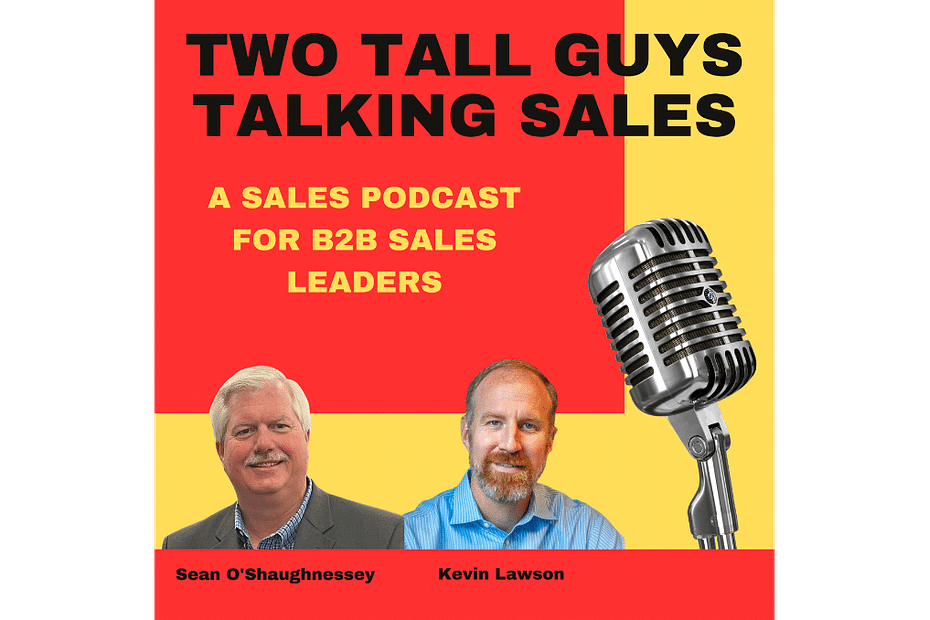
Join hosts Kevin Lawson and Sean O’Shaughnessey as they dive into the intricacies of sales strategy, drawing parallels to planning a family vacation. As we edge closer to our 100th episode, this session unpacks why having a well-documented and aligned business plan is crucial—akin to knowing your vacation destination to ensure everything goes smoothly. Whether you’re a business owner or a sales professional, this episode provides vital insights into simplifying and aligning your sales strategy… Two Tall Guys Talking Sales Podcast – Destination Success: Mapping Your Sales Strategy with Precision – E97

Building a High-Performing Sales Team: The Benefits of Recognizing Effort and Results in Sales Meetings

Sales drives the engine of any B2B business. Enhancing sales strategies and management capabilities is crucial to success for salespeople, sales managers, and CEOs of small companies. One aspect of this involves rewarding effort and results during sales meetings. This practice motivates the sales team and encourages them to strive for better performance.

Salespeople are naturally competitive and driven, but they also appreciate recognition. While a paycheck is important, it’s also essential for salespeople to feel valued and appreciated for their efforts. This recognition can come in various forms, from verbal praise to tangible rewards. It’s important to remember that recognition should not be limited to monetary rewards. The simple act of acknowledging someone’s hard work and contributions can be incredibly motivating.

A sales meeting is an opportune moment to recognize and reward your sales team’s efforts. It’s not just about discussing targets and strategies; it’s also a chance to celebrate successes, however big or small. These meetings can be used as a platform to highlight the best practices and strategies employed by the team members, fostering a culture of learning and improvement.

Every salesperson has a unique approach and strategy. If nothing else, they experiment with different ways to share the benefits of their product or ask a particular discovery question. By sharing these individual successes or failures during meetings, sales teams can learn from each other, thus promoting a collaborative and supportive environment. The sales leader may prompt these discussions, but the actual learning comes from the experiences and strategies the salespeople share.

Read the rest of the article…

Two Tall Guys Talking Sales Podcast – Preparing Salespeople for Success: A Deep Dive with Steve Caton – E96

This episode of “Two Tall Guys Talking Sales” is a must-listen for anyone interested in the dynamics of part-time sales roles and how they can significantly impact business growth. Steve Caton shares his expertise on preparing salespeople, measuring their success, and transitioning them into full-time roles. With practical advice and real-world examples, this episode offers a comprehensive guide for sales leaders and business owners aiming to optimize their sales strategies. Tune in now to learn from the best and take your sales team to the next level!

Designing Sales Compensation Plans That Drive Performance

The success of any sales-driven organization in the business-to-business (B2B) space hinges on the sales team’s compensation plan. Over my four decades in B2B sales, I’ve observed that nothing influences the performance of sales personnel more directly than the design and implementation of their compensation plans. Compensation is not merely about rewarding sales achievements but crafting a strategy aligning individual salespeople’s goals with the company’s broader objectives.

A well-structured compensation plan acts as both a motivator and a guide. It compels sales teams not only to meet but exceed their targets, fostering an environment where continuous improvement is not just encouraged but becomes a natural byproduct of the system. For small business CEOs, understanding this dynamic is critical for sustaining and driving growth. Sales compensation is more than just a cost; it’s an investment in the company’s future.

In any sales environment, whether the market is brimming with potential or tightly contested, the compensation plan must be a living document that evolves in response to market conditions, company goals, and team performance. With this adaptability, companies can avoid stagnation or regression in their market positions. As businesses strive to scale and adapt, constructing a compensation plan that genuinely drives the right behaviors becomes all the more pertinent.

To delve deeper into this vital subject, CEOs should consider the immediate impacts of their compensation strategies and their long-term implications on sales culture and employee retention. For those ready to explore the intricacies of effective sales compensation and ensure their strategies are well-suited to their specific business contexts, I am here to lend my expertise. With extensive experience tailoring compensation plans to enhance sales productivity and company profitability, I invite you to reach out for further guidance on crafting a plan that meets and exceeds your strategic goals. You can set a time to talk to me using my link above Book Appointment With Sean.

Read the rest of the article…

Two Tall Guys Talking Sales Podcast – Maximizing Customer Relationships: Insights from Chris Goade – E90

Join Kevin Lawson and Sean O’Shaughnessey in another insightful episode of “Two Tall Guys Talking Sales.” This week, they welcome back Chris Goade from 360 Consulting in Dallas. Chris dives deep into the importance of customer retention and intentional engagement strategies. Discover how to transform average customers into great ones and learn practical techniques to elevate your sales game.

Key Topics Discussed

  1. Defining Ideal Customers: Chris emphasizes the need for businesses to understand and define what makes a great customer, moving beyond just high revenue.
  2. Intentional Customer Interactions: Pre-call planning and intentionality in customer meetings are important to foster deeper relationships and uncover more business opportunities.
  3. Handling Customer Problems: How addressing and solving problems can turn challenging customers into loyal advocates.
  4. Roadmapping Conversations: Strategies for sales leaders to guide their teams in having structured, meaningful conversations with clients.
  5. Growing Existing Customers: Real-world examples of how focusing on existing customers can lead to significant business growth without new customer acquisition.
  6. Salesperson Development: Techniques to help salespeople grow comfortable with engaging higher-level executives and having more strategic business conversations.
Read the rest of the article…

Maximizing Sales Team Productivity: The Importance of Effective Sales Meetings

Numerous factors can contribute to a sales team’s success or failure. Two key aspects that are often overlooked yet hold immense importance are the structure and content of sales meetings. These gatherings are not just about reporting numbers or discussing targets. They are platforms for learning, sharing, and strategizing that can significantly boost a sales team’s performance.

One of the fundamental principles of a productive sales meeting is having a clear plan. This doesn’t mean having a rigid agenda without room for spontaneity. On the contrary, it’s about having a framework that guides the discussion and ensures that the meeting stays focused on the key topics at hand. 

A common mistake many sales leaders make is covering too many topics in a single meeting. In an attempt to address every issue, they often skim the surface of each topic without delving deep into any. The result is a meeting lacking depth and tangible insights or solutions. Limiting the number of key topics to one or two per meeting is advisable to avoid this. This allows for a more in-depth discussion and a better understanding of the issues at hand.

Read the rest of the article…

Maximizing Productivity in Sales Meetings: Key Principles and Best Practices

Sales meetings are the lifeblood of any sales-driven organization, providing an essential forum for communication, collaboration, and strategy development. Yet, despite their significance, many salespeople, managers, and CEOs struggle to conduct productive and efficient meetings. This issue often stems from a lack of understanding of key meeting principles and best practices, particularly in the areas of time management, content planning, and participant engagement.

The adage “time is money” holds especially true in sales. Every minute counts, and wasted time equates to lost opportunities. This is why punctuality is of the utmost importance. A meeting that starts late or runs over time is disrespectful to participants and detrimental to the team’s overall productivity. 

To avoid this pitfall, sales leaders should ensure they always arrive early to meetings and start them on time, without exception. This requires careful planning and preparation, as well as a commitment to respecting the time and schedules of others. The same principle applies to the end of the meeting. Sales leaders should always strive to conclude meetings on time, which requires careful meeting agenda management and a willingness to keep discussions focused and on track.

Content planning is another crucial aspect of effective meeting management. Just as a ship needs a compass to navigate the seas, a meeting needs an agenda to guide its proceedings. A well-crafted agenda provides a clear structure for the meeting and helps to keep discussions focused and productive. It also sets clear expectations for participants and helps to ensure that all relevant topics are covered.

Read the rest of the article…