Skip to content

brand

What An MBA Didn’t Teach You About Sales

The sales profession is challenging. You need to work hard at it to succeed. You need to learn from the best. You need to improve your skills continuously. If you think you can sell since you are a hit at parties and have a lot of friends, you may soon find that you are a failure as a salesperson. Blunt truth:

because the sales profession is so hard, you have to focus on doing everything in sales very well, or you will be considered a failure.

I call this blog, Skinned Knees because I try to relate all of the learning that I have done over the past 4+ decades (while skinning my knees in the learning process).

I hope that you learn from my mistakes so that your business will grow!


From Leads to Clients: How Aligning Sales and Marketing Fuels Sustainable Growth

There’s a common sentiment among sales teams this time of year: a sense of urgency. The calendar flips, Q4 starts, and suddenly it feels like you’re already behind. Sound familiar? That mid-Q4 pressure is real. But before you sprint into outreach and activity, step back and assess what’s actually fueling your pipeline? More importantly, is it aligned with long-term growth?

Sales leaders and CEOs often default to lead generation as the focal point. It’s understandable. More leads, more conversations, more deals, right? But that mindset skips a critical first step. You can’t scale what isn’t aligned. If your marketing message doesn’t match your sales conversations, you’re wasting time and budget. If your sales team is chasing poorly qualified leads, you’re burning cycles. And if your customers can’t articulate why they bought from you, you’ve got a positioning problem.

The foundation starts with clarity. What value do you truly deliver? Why do customers choose you over alternatives? If you can’t answer that in a clear, 50-word statement, your team is likely improvising in the field, and that’s costing you revenue. This is where sales and marketing alignment becomes more than just a buzzword. It’s operationally necessary.

Sales enablement isn’t only about tools and training. It’s about empowering sales with the right message at the right time. That starts with defining three core customer states:

  1. leads,
  2. prospects,
  3. clients.

Each phase requires different messaging, timing, and expectations. Most organizations blur those lines. That’s where inefficiency creeps in.

Leads sit at the top of the funnel. They are either unaware or only lightly aware of your offering. At this stage, marketing owns the responsibility. However, marketing without sales feedback is akin to shooting in the dark. Sales needs to inform marketing what makes a lead qualified.

  • What signals intent?
  • What common objections surface early?

Without that feedback loop, marketing tends to optimize for volume rather than quality.

Read the rest of the article…

How to Use AI to Write Personalized Cold Emails at Scale

It’s Sunday night. You’re staring at your CRM and that dreaded task appears: “Prospecting Block: 100 Accounts.” The feeling in your stomach tells you what’s coming. You’ll either blast generic messages and feel like a spammer or spend hours crafting a handful of handcrafted emails that barely move the needle.

This is the central productivity crisis in modern B2B sales. We’re constantly forced to choose between efficiency and relevance. But what if that choice was a false one? What if artificial intelligence could help you achieve both, without sacrificing your authenticity or sanity?

The False Choice: Efficiency vs. Effectiveness

The traditional approaches to sales outreach, templates versus deep personalization, represent the old world of “one-to-many” or “one-to-one.” But the future of sales lies in one-to-one at scale. The key is understanding that AI isn’t replacing salespeople, it’s augmenting them.

Your job is no longer to write every email from scratch. Your job is to be the editor-in-chief of your outreach strategy. The human decides the target, tone, and message. The AI executes your direction at scale.

The Strategic Brief: Your Blueprint for AI-Powered Outreach

To adopt this workflow, replace your 50-email grind with one Strategic Brief containing three sections:

  1. Voice Profile – Teach AI to sound like you. Include examples of your best emails and guidelines for tone, structure, and style.
  2. Prospect Context – Gather simple, factual data on each contact: title, company, recent events, and pain points.
  3. Mission – Define your goal and message direction. What’s the objective of the email: reply, insight, or meeting?
Read the rest of the article…

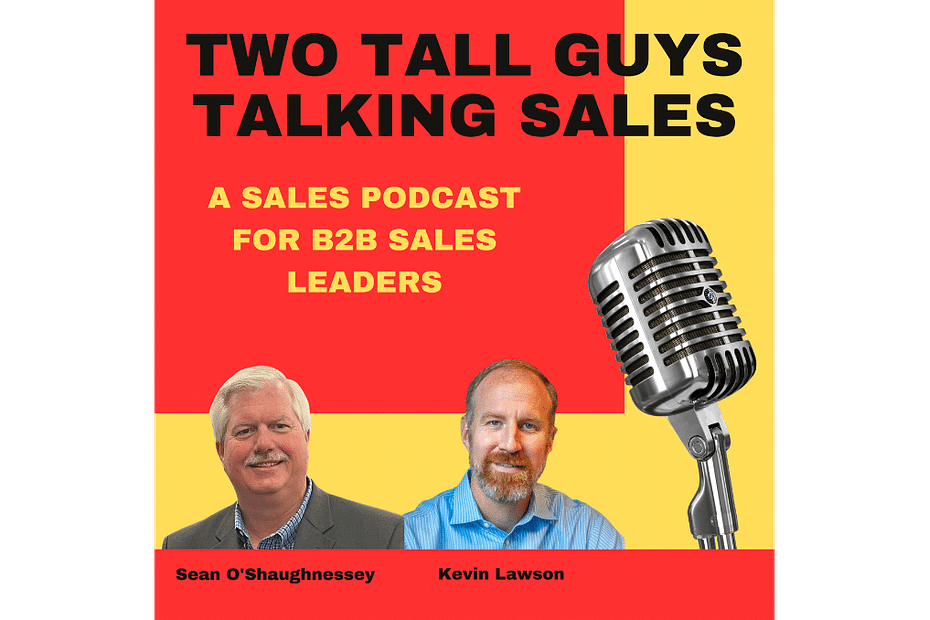
Two Tall Guys Talking Sales – What Got You Here Won’t Get You There: How Sales Leaders Master the Pivot for Revenue Growth – Episode 158

In this episode, hosts Kevin Lawson and Sean O’Shaughnessey tackle one of the most fundamental truths in business and sales leadership: change is inevitable. Whether you’re managing a sales team, scaling from $5M to $50M, or repositioning your company for new markets, your success depends on your ability to pivot,  intelligently, decisively, and confidently. Sean and Kevin unpack the concept of organizational pivots through real-world examples, from manufacturing supply challenges to Domino’s Pizza’s legendary turnaround, and offer practical advice for how sales leaders can prepare their teams to thrive through transformation.

Key Topics Discussed

  • The Only Constant Is Change (00:16) — Why modern business demands leaders who can adapt and guide teams through shifting markets.
  • The Power of the Pivot (02:52) — Kevin explains what a pivot really means and how small, consistent course corrections can transform outcomes.
  • Real-World Example: Domino’s Pizza Reinvention (06:10) — A masterclass in transparency and messaging that rebuilt a brand from the ground up.
  • Training as the Foundation of Change (09:21) — Sean breaks down how strategic training helps sales teams pivot effectively into new markets or industries.
  • Peer Learning and the Role of Community (12:33) — The importance of collaboration, conversation, and communities like the B2B Sales Lab for accelerating sales success.

Key Quotes

  • “As CEOs and sales leaders, we have to lead through change. What got us here is not going to get us there.”
    — Sean O’Shaughnessey (01:34)
  • “Sometimes people don’t need a 180-degree pivot. They just need to be repointed — one degree of change over time can take you somewhere entirely new.”
    — Kevin Lawson (04:42)
  • “The first part of making a pivot is planting your foot — and that’s training. You can’t change direction until your team knows how.”
    — Sean O’Shaughnessey (11:22)

Additional Resources

  • Book Mentioned: Who Moved My Cheese? by Spencer Johnson — A timeless read on navigating change in business and life. https://a.co/d/cCEXuwA
  • Community Resource: B2B Sales Lab — A peer-driven community for B2B sales professionals and leaders to exchange ideas, test messaging, and sharpen their skills. www.b2b-sales-lab.com

A Significant Actionable Item from this Podcast

Before the day ends, write down five things you could do to change the trajectory of your sales growth or turnaround.
Then, rank them:

  • Which are big strategic plays?
  • Which are medium-term moves?
  • Which are quick wins you could execute immediately? Assign probability, effort, and impact to each, then commit to one action this week. Leadership begins with deliberate motion, not massive overhauls.
Read the rest of the article…

Beyond Spell Check: How Grammarly’s AI Can Transform Sales Communication

Clear, professional communication is the foundation of sales success. Yet, in 2025, much of our selling occurs not face-to-face, but through written words, emails, proposals, CRM notes, and social media messages. This shift means your writing is no longer just a form of communication; it’s your personal brand, your first impression, and often the deciding factor in whether a conversation continues or comes to a halt.

Grammarly has evolved far beyond its original purpose as a grammar checker. Today, it’s an artificial intelligence–powered platform that helps sales teams increase efficiency, refine their messaging, and accelerate revenue growth. It works directly within the tools you already use, such as Gmail, LinkedIn, Salesforce, and HubSpot, helping sales professionals write with greater confidence and clarity.

Sales organizations using Grammarly have seen measurable improvements: Databricks saved $1.4 million annually; Smartsheet cut thousands of hours from proposal creation; and Zoom reported higher customer satisfaction thanks to improved written communication. These results aren’t luck; they’re the product of refined sales processes, consistent messaging, and clear communication supported by AI.

For individual salespeople, Grammarly helps improve value selling by ensuring that every message is professional, engaging, and on-brand. Its AI engine not only corrects errors but also suggests stronger phrasing, predicts reader reactions, and even aligns your tone with your business acumen and brand voice. For sales leaders, it standardizes team communication and reinforces a culture of professionalism across departments.

Read the rest of the article…

Two Tall Guys Talking Sales – How Sales and Marketing Partnerships Drive Lead Generation and Sales Success – Episode 155

As the year draws to a close, sales leaders and professionals are already looking ahead to the next year. In this episode of Two Tall Guys Talking Sales, hosts Sean O’Shaughnessey and Kevin Lawson dig into the perennial challenge of lead generation, the importance of collaborating with marketing, and why proactive planning is essential for sales success. From refining your messaging to building thought leadership, this conversation is packed with strategies to help you drive revenue generation and sharpen your sales processes.

Key Topics Discussed

  • Why Salespeople Always Say “I Need More Leads” (01:00)
  • The Importance of Partnering with Marketing for Effective Sales Strategies (03:40)
  • Going Beyond Marketing—Referrals, Networking, and Thought Leadership (05:07)
  • Leveraging LinkedIn and Personal Branding to Generate Leads (06:25)
  • The Three Things Every Salesperson Really Sells (09:00)
  • Planning with Intention: Mapping the Next 12 Months for Sales Success (12:57)

Key Quotes

  • Sean O’Shaughnessey (01:48): “You as a salesperson… it’s your job to sit with the marketing people you have and map out the next 12 months of how to get better leads and cover your territory more effectively.”
  • Kevin Lawson (03:40): “Go down the hallway, knock on the door and say, here’s what I’m working on, what are you working on, and how can I help? Be a resource, be a partner to marketing.”
  • Sean O’Shaughnessey (09:24): “There are three things you sell: your product, your company, and—most importantly—you.”
  • Kevin Lawson (13:16): “If you’re only giving 50% effort to your professional practice, you can’t expect championship-level results.”

Additional Resources

  • B2B Sales Lab Community – A peer group for sales professionals to exchange best practices and strengthen their sales management and revenue generation capabilities. Go to https://b2b-sales-lab.com/

A Significant Actionable Item from this Podcast

Schedule a working session with your marketing team this week. Map out the next 12 months of sales and marketing activities, focusing on how you’ll generate leads, build messaging, and increase visibility in your target accounts. Even if it starts with a simple spreadsheet, writing down the plan creates accountability and aligns sales strategies with marketing efforts.

Read the rest of the article…

Hiring for Growth: How to Build a Sales Team That Drives Long-Term Success

Building a successful sales team requires more than just filling open seats with available candidates. Company leadership must strategically align its hiring process with business objectives, market needs, and long-term goals. 

Whether you’re a solopreneur transitioning to a team-based approach or a CEO managing a growing sales force, the principles of intentional recruitment and onboarding remain the same. Hiring the right people is an investment in the future of your business.

One of the most common pitfalls in sales hiring is a lack of intentionality. Too often, small businesses hire out of convenience, choosing candidates from their immediate network or taking the first person who seems interested. While this approach may solve an immediate need, it rarely leads to long-term success. 

Hiring a salesperson means selecting someone who can actively drive growth and represent your brand with competence and integrity. The stakes are even higher when you’re working with a lean team; every hire matters, and mediocrity is not an option.

To avoid these missteps, it’s essential to approach hiring with the same rigor you apply to your sales process. Think of recruiting as a parallel to securing a high-value client. Just as you wouldn’t sell your product without qualifying leads or understanding their needs, you shouldn’t hire without a structured process to evaluate candidates. 

Begin by defining what success looks like for the role. What skills and attributes are non-negotiable? What specific outcomes do you expect this person to achieve within their first 90 days? A clear job description and measurable KPIs set the foundation for finding the right fit.

Cultural alignment is another critical factor. Your salespeople are the face of your business to prospects and customers. Their ability to embody your company’s values and mission can make or break the customer experience. A candidate might have a stellar track record, but if their approach clashes with your team’s culture, the partnership is unlikely to succeed. At the same time, skills and experience must align with the specific demands of the role. For instance, if your goal is aggressive market penetration, you need a hunter mentality, someone skilled in building relationships from scratch and closing deals in uncharted territory.

Read the rest of the article…

AI Isn’t Replacing Salespeople, It’s Giving Them a Competitive Edge

AI isn’t replacing salespeople, it’s making them more effective. The real risk isn’t losing your job to AI; it’s losing to a competitor who uses AI better than you do. Sales professionals who integrate AI into their workflow will outperform those who don’t. 

It’s not about technology taking over but about using technology to gain an edge. The market is becoming increasingly competitive, and the most efficient salespeople will emerge victorious.

Time is a salesperson’s most valuable asset. 

Every minute spent on administrative tasks is a minute not spent selling. AI helps reclaim those lost hours. Tools that automate writing, scheduling, and research allow salespeople to focus on what matters: building relationships and closing deals. If you’re not leveraging AI to increase productivity, you’re leaving opportunities on the table.

Sales emails need to be clear and professional. AI-powered writing assistants ensure your messages are polished and effective. A poorly written email can cost you a deal. AI tools catch grammatical mistakes, improve clarity, and even suggest more effective phrasing. This isn’t just about looking professional; it’s about being understood. 

If your message isn’t clear, it won’t convert.

Presentations are another time-consuming task. AI can generate professional decks in minutes. Instead of spending hours designing slides, salespeople can focus on developing effective strategies. AI-powered tools create branded, structured presentations based on simple inputs. This ensures consistency while saving time. Sales professionals who utilize AI for presentations can focus on delivering insights rather than formatting slides.

CRM systems are the backbone of sales operations. AI enhances CRM by automating data entry, tracking customer interactions, and suggesting next steps. Salespeople often struggle with keeping CRM data updated. AI reduces this friction by automatically capturing and organizing information. A well-maintained CRM leads to better forecasting and stronger customer relationships. 

If your CRM doesn’t have AI capabilities, it’s time to upgrade.

AI-driven insights enable sales managers to make more informed decisions, rather than relying on instinct. Managers can use AI to analyze performance trends, identify coaching opportunities, and predict revenue outcomes. AI doesn’t replace leadership; it enhances it. 

Sales managers who adopt AI can build stronger teams and achieve better results. Ignoring AI in sales management is a strategic mistake.

Lead generation is another area where AI adds value. AI-powered tools can analyze vast amounts of data to identify high-potential prospects. Instead of spending hours researching leads, salespeople can receive AI-generated recommendations. This allows for more targeted outreach and higher conversion rates. AI doesn’t just find leads, it finds the right leads.

Sales follow-up is often inconsistent. AI ensures follow-ups happen at the right time with the right message. Automated reminders and AI-generated responses keep deals moving forward. 

A well-timed follow-up can be the difference between closing a deal and losing it. AI helps salespeople stay on top of their pipeline without relying on memory.

Read the rest of the article…

Turning Around Sales Performance: Strategies for CEOs and Sales Managers to Foster Internal Alignment

Navigating a sales turnaround isn’t just about fixing numbers; it’s about transforming the business. It’s about realigning expectations, rebuilding internal trust, and creating a structured, sustainable path forward. 

If you’re a CEO, sales manager, or a key salesperson in your organization, the pressure to reverse a sales slump can feel overwhelming. However, the truth is that turnarounds aren’t made in a sprint; they’re built through clarity, consistency, and effective communication.

Too often, sales leaders make the mistake of focusing only on the downward trend. They get caught up in the urgency of the numbers and forget that the real challenge lies in managing upward, setting expectations with executive leadership, and aligning them with reality. 

If your sales team is underperforming, your internal stakeholders are your new audience. Just as with external prospects, you need to manage their expectations with a clear, actionable plan.

The process starts with a shift in mindset. 

Instead of viewing upper management as critics, think of them as clients. What do they need to believe in this turnaround? What information do they need to trust your leadership? Start by building a high-level outline. Avoid over-engineering the details in the early stages. Focus on where you want to go, then reverse-engineer the steps to get there.

Every turnaround starts from a rear position. That means your first job is to stop the downward momentum. Before you can scale revenue, you need to stabilize it. That requires a clear definition of success, agreed upon by everyone involved. 

  • Are you trying to double revenue in 12 months? 
  • Or just return to last year’s baseline? 
  • Is that goal realistic given your market, team, and resources? 

If not, revise it. A stretch goal is fine. A fantasy is not.

Read the rest of the article…

Two Tall Guys Talking Sales – John McLeod Explains How to Avoid the AI Trap: Using New Tools Without Losing Your Sales Message – Episode 140

In this episode of Two Tall Guys Talking Sales, hosts Kevin Lawson and Sean O’Shaughnessey are joined by veteran fractional VP of Sales, John McLeod. Together, they dive into a critical topic for today’s sales leaders: embracing artificial intelligence tools without compromising your value proposition, messaging, or sales processes. John brings deep expertise in sales management, business acumen, and revenue generation strategies, offering a measured approach to evaluating sales tech, especially AI solutions, through a… Two Tall Guys Talking Sales – John McLeod Explains How to Avoid the AI Trap: Using New Tools Without Losing Your Sales Message – Episode 140

How to Create an Elevator Pitch That Opens Doors

In business, every introduction matters—especially when time is short. This post explores how to craft an effective elevator pitch or Unique Selling Proposition that captures attention, sparks curiosity, and opens the door to future conversations. Learn the key elements of a winning pitch and how to use real-world success stories to make a lasting impression.